

The One + Seoul
Retina Clinic
Sudden vision loss in one eye —it may signal a retinal vascular occlusion
Retinal vascular disease occurs when the blood vessels in the retina become blocked or damaged, causing sudden vision loss, blurred vision, or visual field loss.
If you experience sudden, painless vision loss or a partial loss of visual field in one eye, it may indicate a retinal vein or artery occlusion. Retinal artery occlusion in particular is an ophthalmic emergency that requires prompt evaluation.


What is retinal vascular disease?
Retinal vascular disease occurs when the blood vessels in the retina become blocked or damaged, disrupting blood supply and circulation.
Since the retina is essential for capturing light and transmitting visual information,
vascular problems can cause vision loss, blurred vision, or visual field loss.
Common conditions include retinal vein occlusion and retinal artery occlusion.
Treatment depends on the location and extent of the blockage and whether macular edema is present.
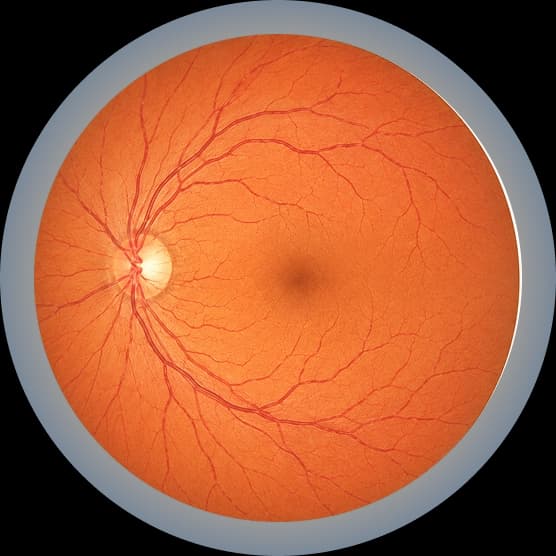
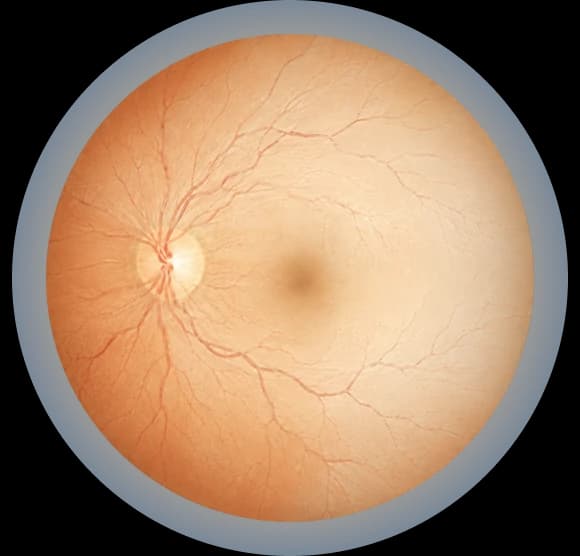
Normal blood vessels
Retinal vessels supply blood normally, delivering the oxygen and nutrients needed to maintain vision.
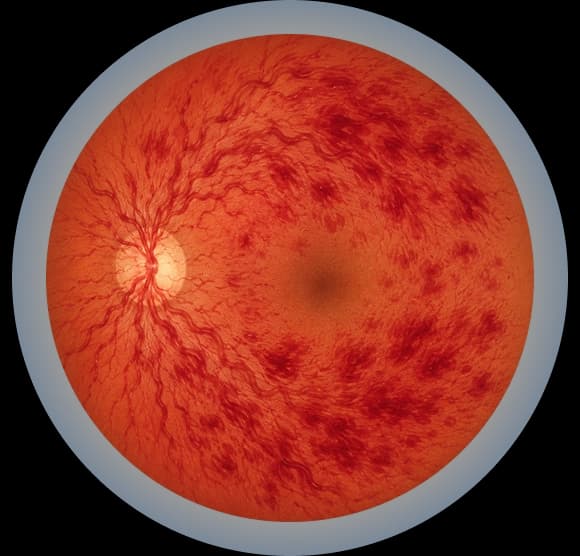
Retinal Vein Occlusion
A blocked retinal vein disrupts blood circulation, which can cause bleeding or macular edema and lead to vision loss.
Retinal Artery Occlusion
A blocked retinal artery cuts off blood supply, an emergency condition that can cause sudden vision loss.
What symptoms should you watch for?
Sudden vision changes may signal a retinal vascular occlusion
Retinal vascular occlusion usually causes sudden vision loss without pain.
Distorted vision, where objects appear warped, is also common, and depending on where the blockage occurs,
a blind spot may develop or there may be no symptoms at all.

Vision Loss
Sudden vision loss or blurred vision

Metamorphopsia
Objects appear distorted or straight lines look bent

Central Scotoma
A dark or blind spot in the center of your vision
How is retinal vascular disease diagnosed?
Detailed tests identify the cause for the right treatment
and treatment varies depending on the cause and stage of the disease.
The One Seoul Eye Clinic provides accurate diagnosis and personalized treatment through collaboration among specialists across fields.
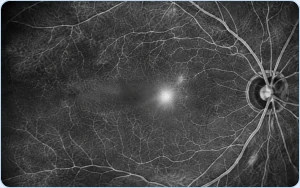
Fluorescein Angiography
Checks blood flow in the retinal vessels and whether they are blocked.
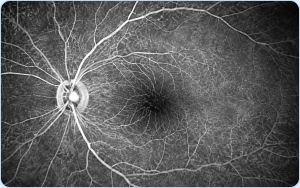
Indocyanine Green Angiography
Provides a more detailed look at abnormalities in the retinal and choroidal vessels.
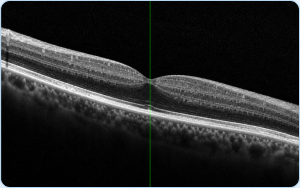
Optical Coherence Tomography (OCT)
Captures cross-sectional images of the retina and macula to analyze macular edema and retinal changes.
How is retinal vascular diseasetreated?
The most suitable treatment is chosen based on
your vascular condition and its cause
Treatment for retinal vascular disease varies depending on the type and stage of the condition.
The One Seoul Eye Clinic minimizes vision loss by applying medication,
laser therapy, or intraocular injections based on an accurate diagnosis.
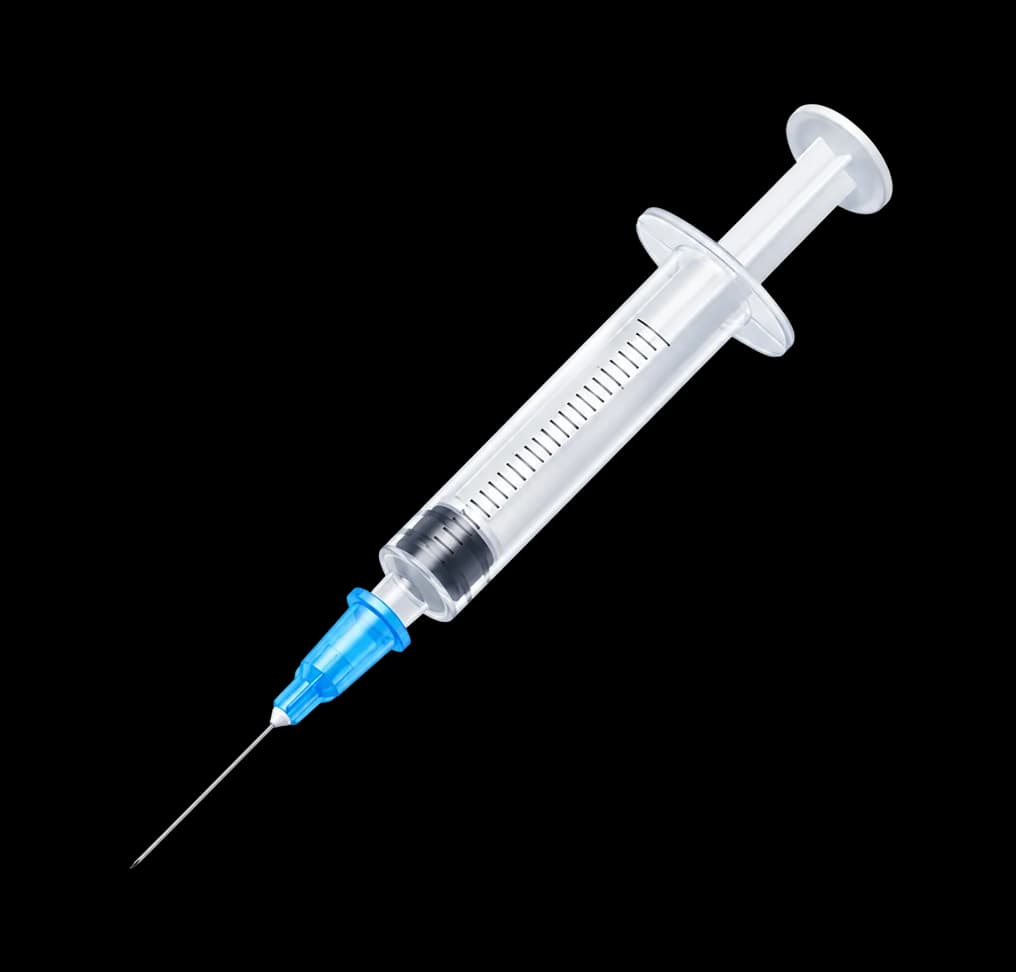
Medication
Depending on the patient's condition, anti-VEGF agents, steroids, anticoagulants, or vasodilators may be used.
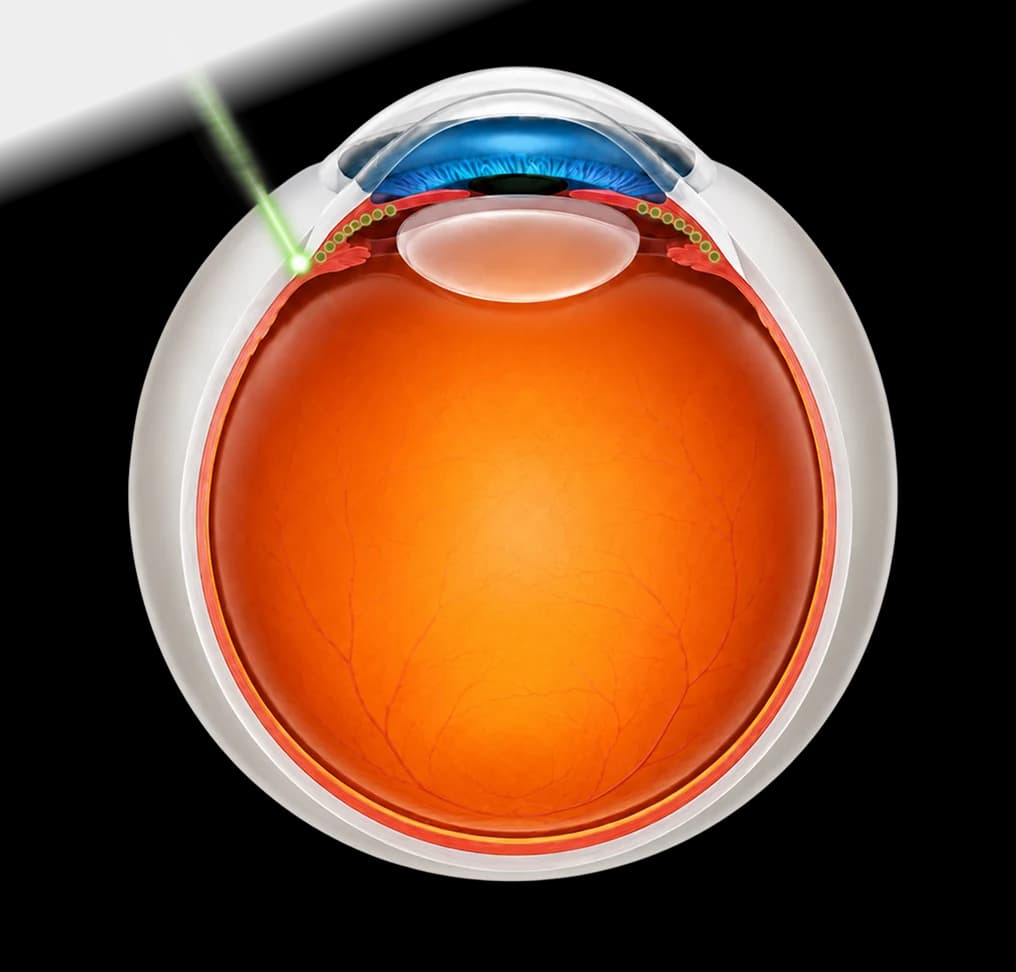
Laser Treatment
Performed to reduce abnormal retinal blood vessels and prevent new ones from forming.
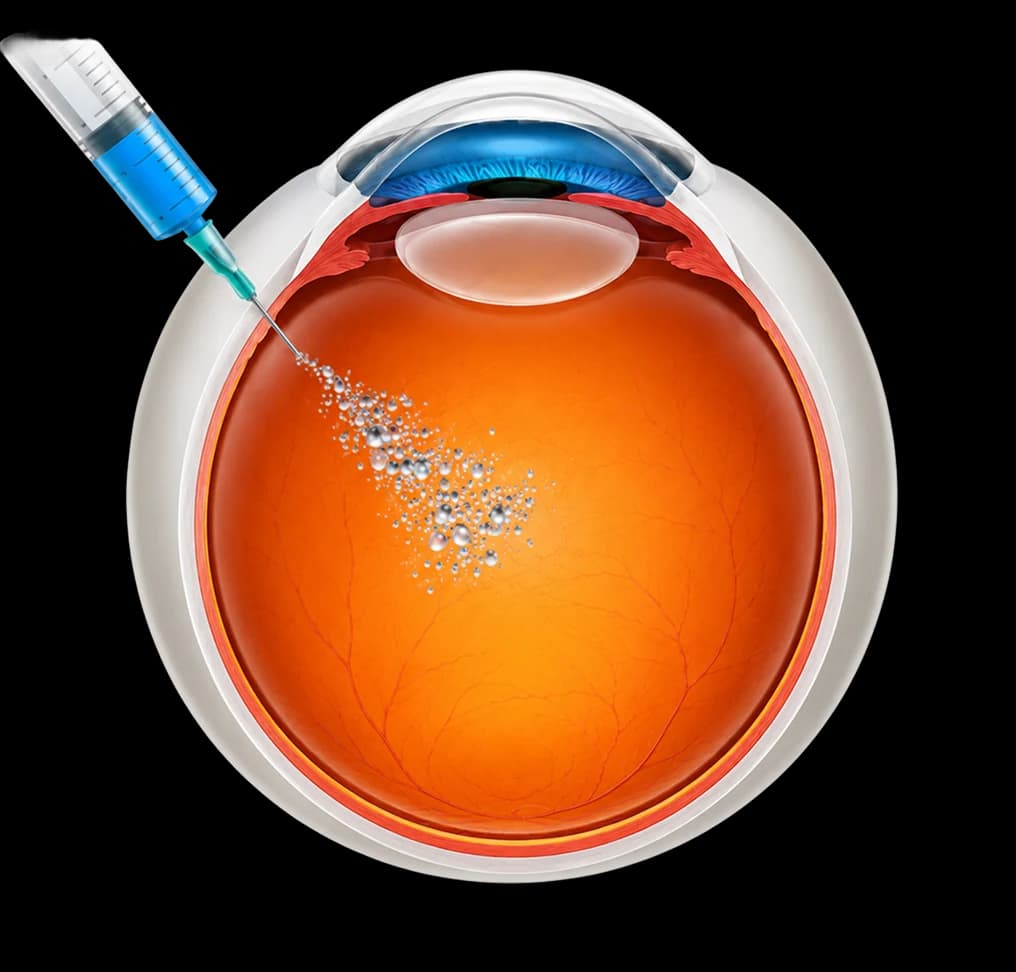
Intraocular Injection
Anti-VEGF agents or steroids are injected into the eye to suppress abnormal vessel growth and reduce macular edema.
Why The One Seoul Eye Clinic's Retina Center?
Accurate diagnosis and ongoing management matter
along with careful follow-up after treatment.
The One Seoul Eye Clinic's Retina Center provides diagnosis and treatment tailored to each patient,
backed by our retina specialists' expertise and research capabilities.




Retinal Vascular DiseaseFrequently Asked Questions


What condition is
retinal vascular occlusion?
A blocked retinal vessel causes vision loss or visual field abnormalities. Symptoms vary depending on where the blockage occurs, so prompt diagnosis and treatment are important.


Should sudden blurred vision
be examined right away?
Yes. Sudden vision loss or visual field changes can signal an emergency, so you should see an ophthalmologist as soon as possible.


How many
intraocular injections are needed?
There's no fixed number — the frequency and interval are adjusted based on macular edema and exam results, with the treatment plan guided by regular checkups.


How are vein and artery
occlusion different?
Vein occlusion often causes bleeding and macular edema, while artery occlusion suddenly cuts off blood flow, causing a rapid drop in vision.


Can retinal vein occlusion be
fully cured?
Rather than reversing the blockage, treatment focuses on managing complications like macular edema to preserve vision, with regular follow-up exams.