


The One + Seoul
Glaucoma Clinic
A silent optic nerve disease,Glaucoma Clinic
It may go unnoticed in the early stages due to the lack of symptoms. We protect your precious vision through precise diagnosis and systematic management.


Precision Testing System
IOP · OCT · Visual Field Test
Advanced Diagnostic Equipment
Accurate optic nerve analysis
Systematic Follow-up
Regular progress monitoring
Personalized Glaucoma Care
Individualized treatment planning

What is glaucoma?
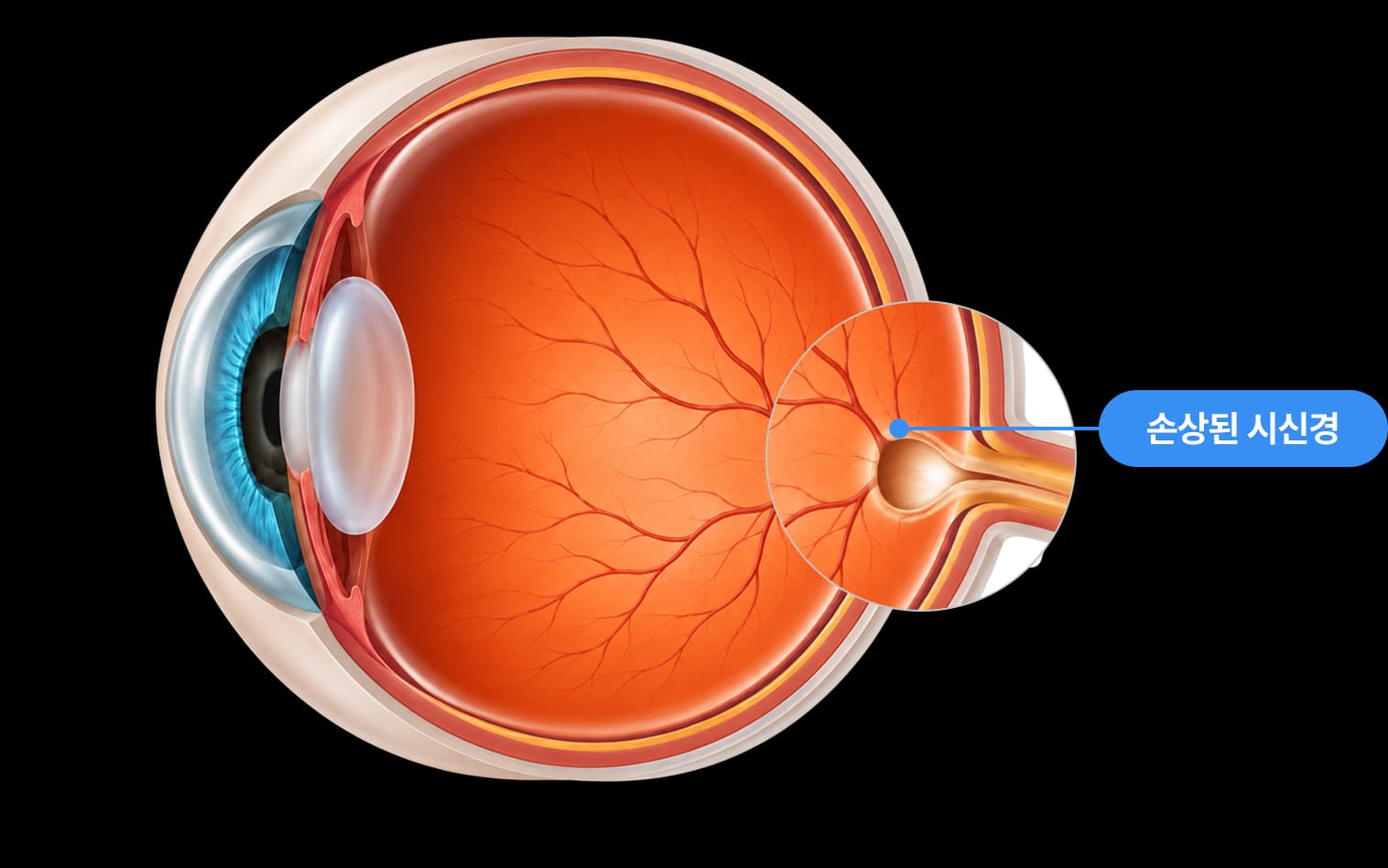
A condition where the visual field gradually narrows due to optic nerve damage
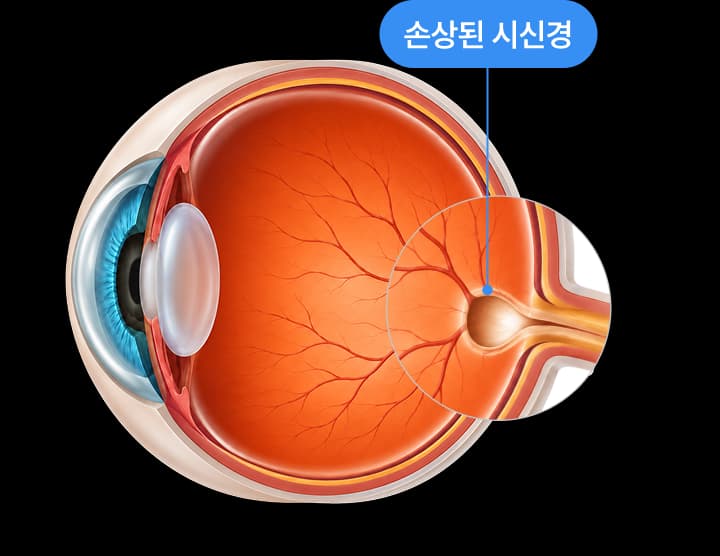
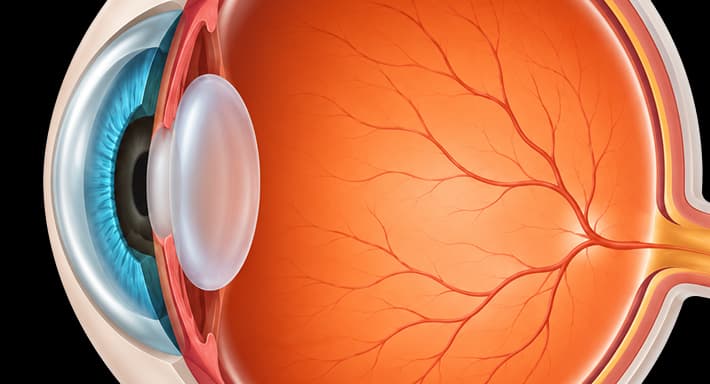
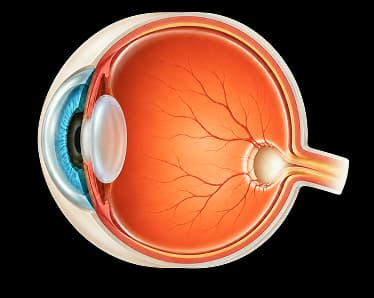
Glaucoma is a condition in which the optic nerve, which transmits visual information from the eye to the brain, is damaged, causing the visual field to gradually narrow.
In the early stages, there are often no noticeable symptoms, so detection may be delayed. If the appropriate treatment window is missed, it can lead to vision loss.

Why does glaucoma occur?
Glaucoma is a condition in which multiple risk factors work together to damage the optic nerve.
Elevated intraocular pressure
Increased pressure inside the eye can place
sustained stress on the optic nerve.
Blood flow abnormalities
Poor blood circulation to the optic nerve
can increase the risk of optic nerve damage.
Family history
Having a family member with glaucoma
can increase the risk of developing the condition.
High myopia
Structural changes in the eye
can increase the risk of glaucoma.


How does theoptic nerve get damaged?
Glaucoma is a slowly progressing condition that often has no noticeable symptoms in the early stages.
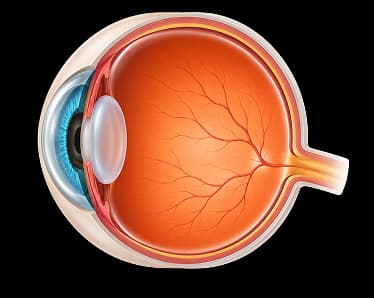
Normal optic nerve
A healthy optic nerve state
with normal visual field maintenance.
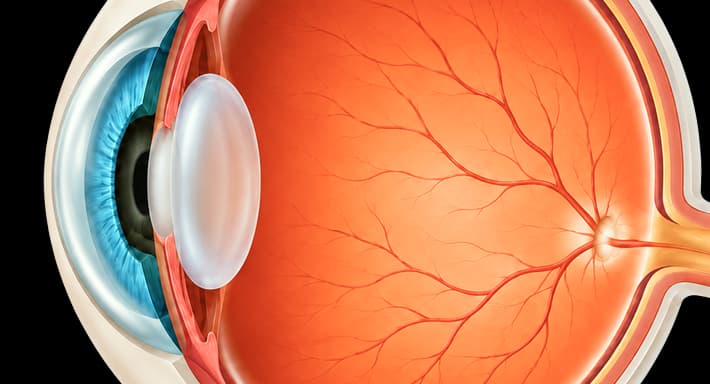
Optic nerve
damage progression
As optic nerve damage begins,
peripheral vision may gradually narrow.
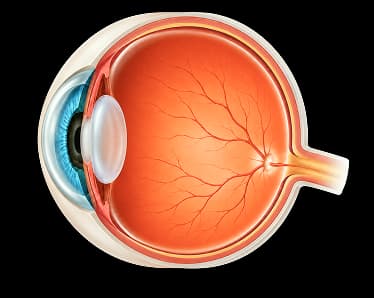
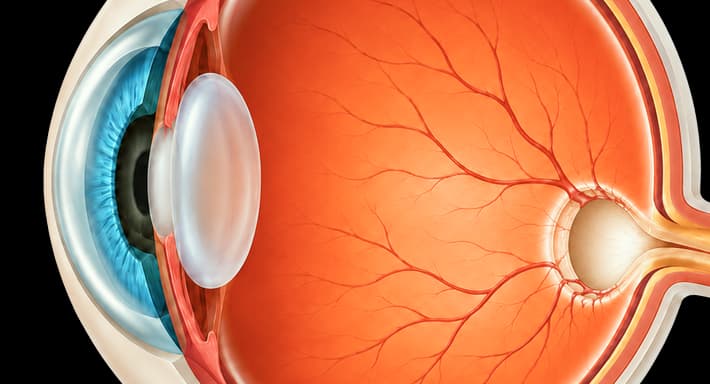
Advanced glaucoma
As optic nerve damage worsens,
the range of visual field loss may increase.
When should you
get checked?
Glaucoma has almost
no early symptoms
Glaucoma is often called the 'silent thief of sight' because it has almost
no noticeable early symptoms.
Even without symptoms, regular eye examinations are important for early detection.






How is glaucoma diagnosed?
Various tests are needed for an accurate diagnosis
An accurate diagnosis is made by comprehensively evaluating the optic nerve condition, visual field changes, and eye structure.
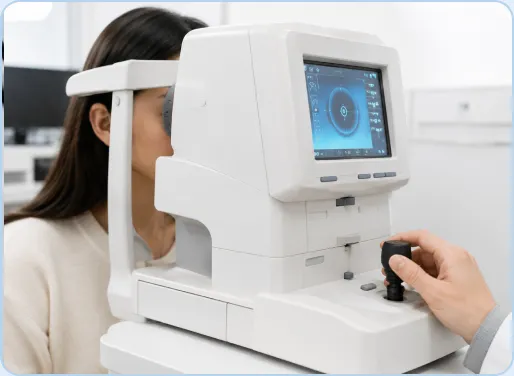
Tonometry
Measures pressure
inside the eye
to assess glaucoma risk.
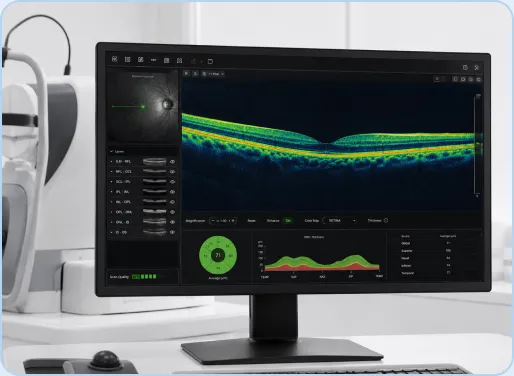
OCT optic nerve tomography
Precisely analyzes
the retinal nerve
fiber layer and optic nerve condition.
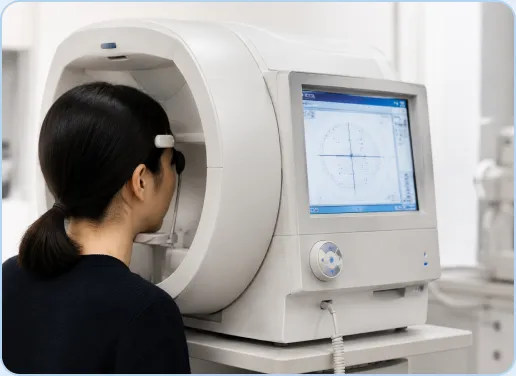
Visual field test
Evaluates the extent
of visual field
damage and progression.
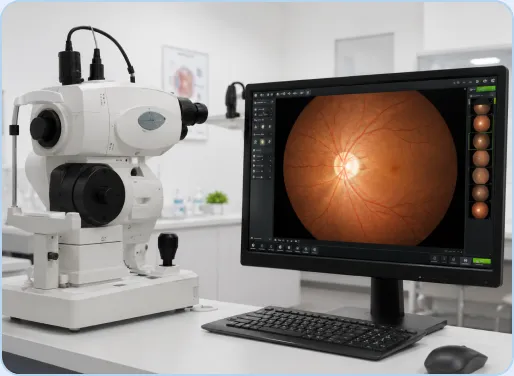
Fundus examination
Observes the optic disc
and retinal condition.
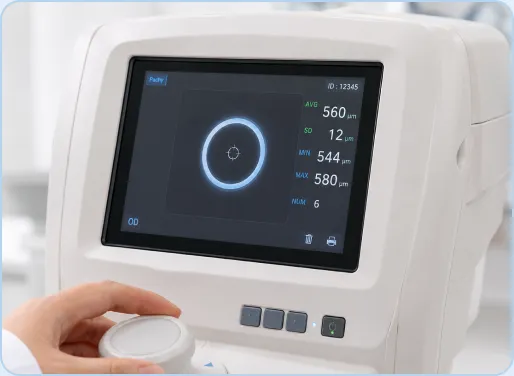
Corneal thickness test
Checks corneal thickness
for more accurate IOP measurement.
How is glaucomatreated?
Treatment is performed to slow
glaucoma progression
and protect the optic nerve
We check the patient's intraocular pressure and optic nerve condition,
determine the treatment method,
and monitor progress through regular examinations.
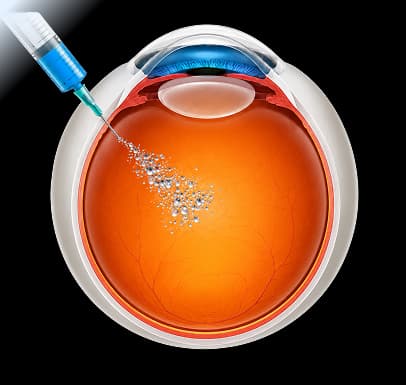
Medication
Eye drops are used to lower
intraocular pressure
and prevent optic nerve damage.
This is the most basic
treatment for glaucoma,
and many patients
start with this approach.
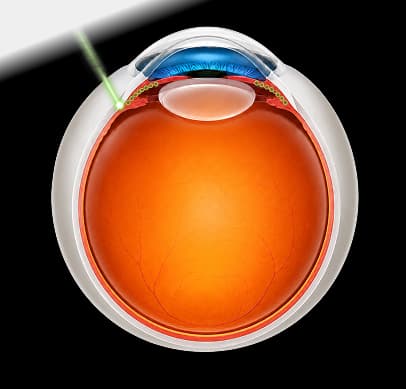
Laser treatment
A treatment that lowers
intraocular pressure
by facilitating aqueous
humor drainage.
It may be considered
when medication alone
is insufficient.
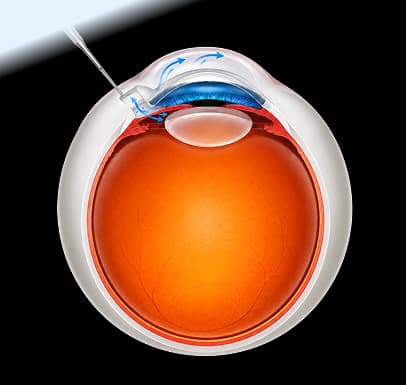
Surgical treatment
Performed when medication
or laser treatment
cannot achieve sufficient results.
The goal is to stably
control intraocular pressure
and slow the progression
of optic nerve damage.

GlaucomaFrequently Asked Questions

Can glaucoma
be cured?
Optic nerve damage caused
by glaucoma is difficult to reverse.
However, early diagnosis and appropriate
treatment can slow the progression
of the disease and preserve vision.
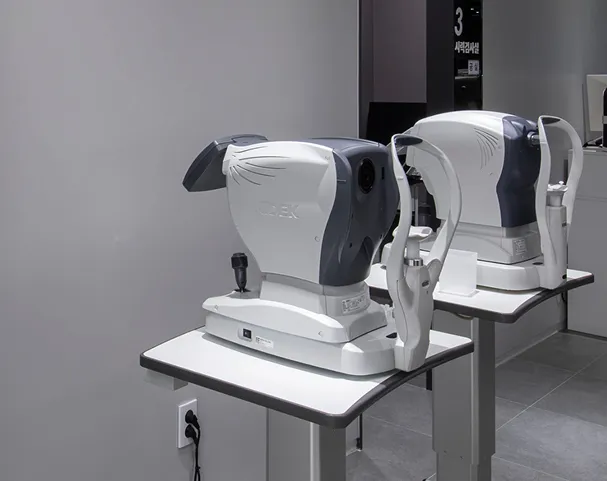
How long does
a glaucoma test take?
It varies depending on the test items,
but generally it takes about 30 minutes
to 1 hour, including tonometry, OCT,
and visual field tests.
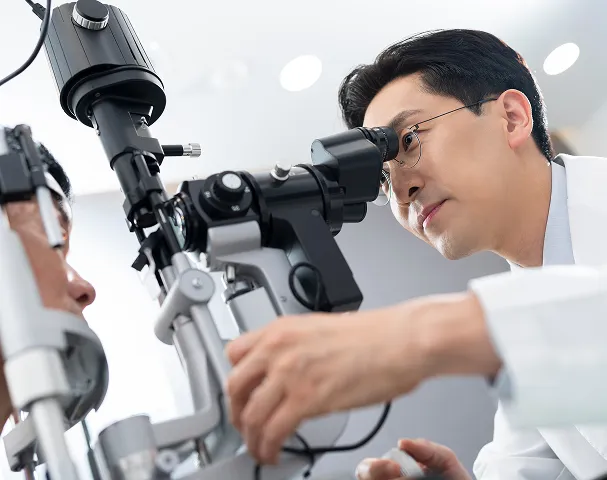
At what age
does glaucoma develop?
The risk of glaucoma mainly increases
after age 40, but it can occur at
younger ages in cases of high
myopia or family history.

Can glaucoma develop even with
normal eye pressure?
Yes. In the case of normal-tension
glaucoma, which is common among
Koreans, optic nerve damage can occur
even within the normal pressure range.
Therefore, optic nerve and visual
in addition to IOP measurement.

Is glaucoma
hereditary?
Having a family member with glaucoma
can increase the risk. If you have a
family history, regular eye examinations
are recommended.
Should I get a check-up
even without symptoms?
Glaucoma is a condition with almost
no early noticeable symptoms.
Regular check-ups are important for
early detection, even without symptoms.