

The One + Seoul
Examination
Dry eye treatment to restore
a comfortable daily life,Starting with tear film and
meibomian gland assessment
If your eyes feel gritty, you have a foreign body sensation,
and artificial tears provide only temporary relief,
the cause may be tear film instability
or meibomian gland dysfunction.
The One Seoul Dry Eye Clinic comprehensively evaluates
tear volume, tear film stability, meibomian gland condition,
and ocular surface damage to provide
personalized treatment guidance.


Tear Film Assessment
Tear volume & tear film stability check
Meibomian Gland Analysis
Identifying tear evaporation causes
Ocular Surface Evaluation
Corneal & conjunctival damage assessment
Cause-Based Treatment Plan
Management based on symptoms and test results

What is dry eye syndrome?
A common modern eye condition
caused by tear film imbalance
Dry eye syndrome occurs when tears are insufficient
or evaporate too quickly,
causing damage and discomfort to the ocular surface.
Beyond simple dryness, it can cause pain, vision loss,
and inflammation, so early and accurate diagnosis
is important.
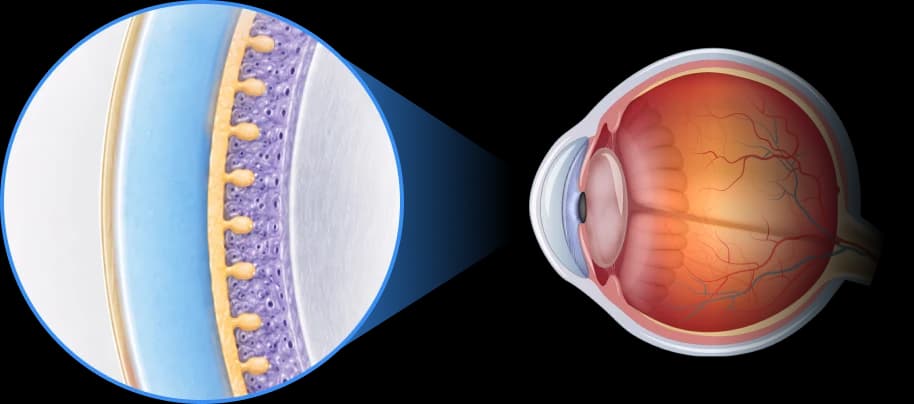
Lipid Layer
Wraps the aqueous layer to prevent tear evaporation
Aqueous Layer
Blocks foreign particles and inflammatory substances
Mucin Layer
Anchors the tear film to the eye surface
Could I have dry eye syndrome?
Recurring grittiness, foreign body sensation,
and tearing may require examination.
We recommend visiting for a tear film assessment
before symptoms worsen.
How does The One Seouldiagnose dry eye syndrome?
Accurate diagnosis using advanced equipment
is the first step to effective treatment
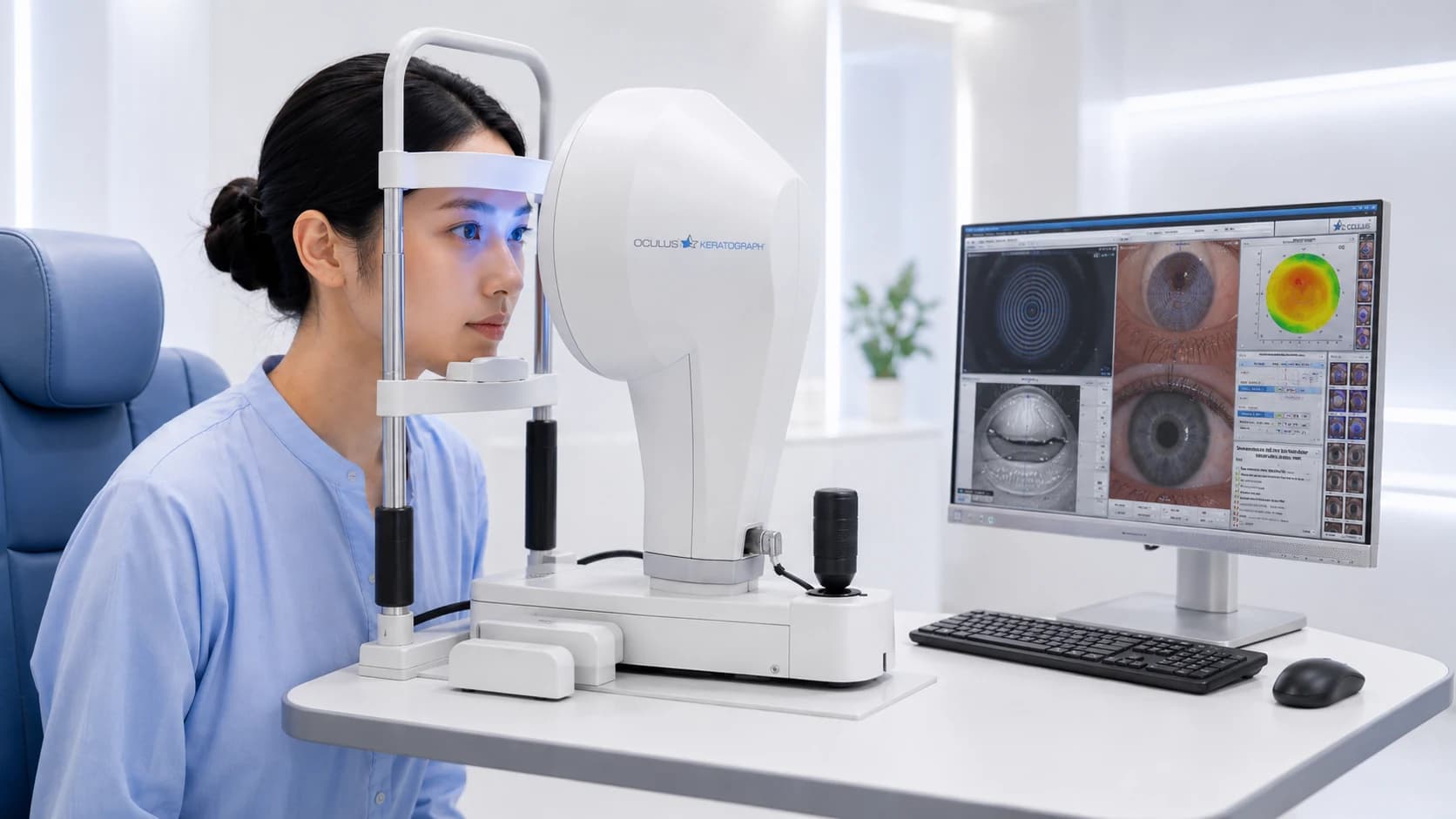
Keratograph 5M Precision Test
A non-contact dry eye diagnostic device that
visually measures tear break-up time (BUT)
and precisely captures tear film thickness and
meibomian gland damage (gland structural deformation).
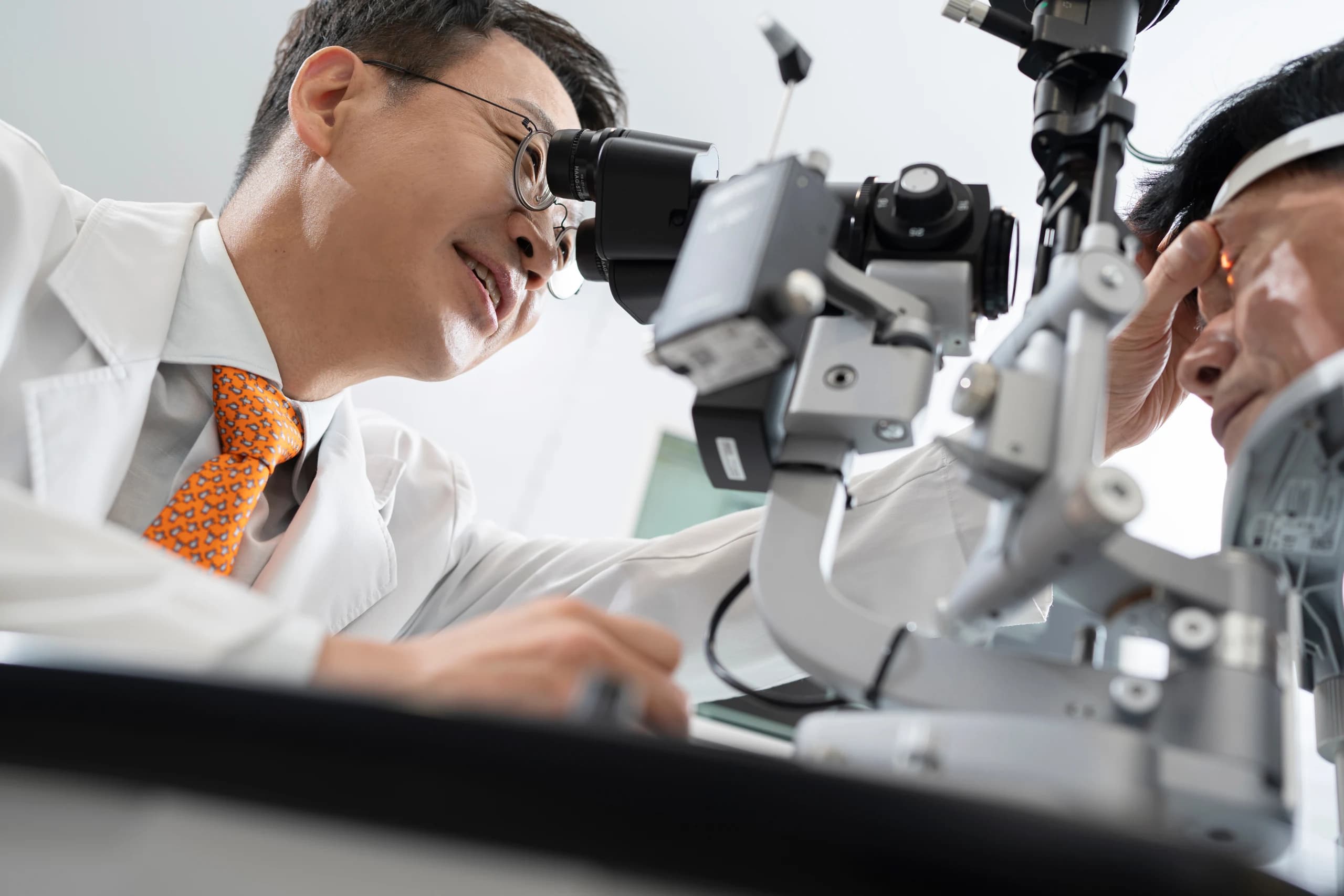
Slit-Lamp Microscopy
An ophthalmologist directly observes
chronic inflammation, corneal damage,
and tear layer stability from multiple angles.
The One Seoul's Dry Eye Diagnosis Process
test results to determine the treatment plan
for tear-deficient, evaporative, or inflammation-related types.
Basic Vision & IOP Test
Baseline examination of
overall eye condition
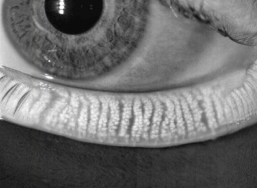
Keratograph 5M Imaging
Detailed analysis of tear film
stability and meibomian gland structure
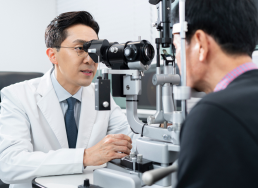
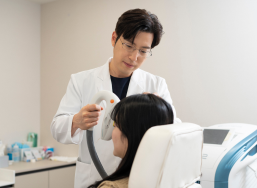
Specialist Examination
Slit-lamp microscopy and
final diagnosis (evaporative vs. deficient type)
Personalized Treatment Plan
Laser and device treatment
plan based on diagnosis results
How is dry eye syndrome treated?
Beyond symptom relief,
addressing root causes with advanced technology.
IPL Laser Treatment for Dry Eye
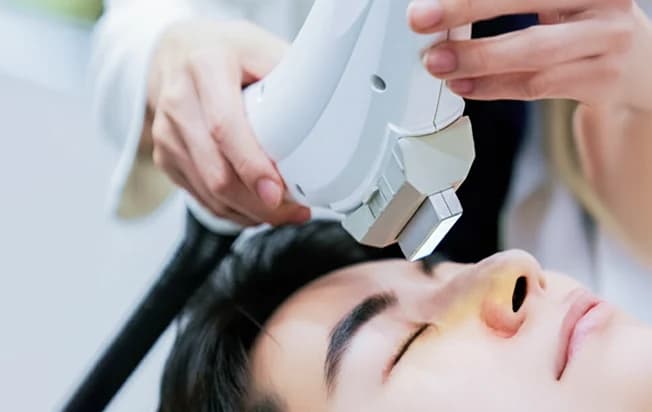
Light of a specific wavelength is applied around the eyes
to melt hardened oil in blocked meibomian glands
and reduce abnormal capillaries
to relieve chronic inflammation.
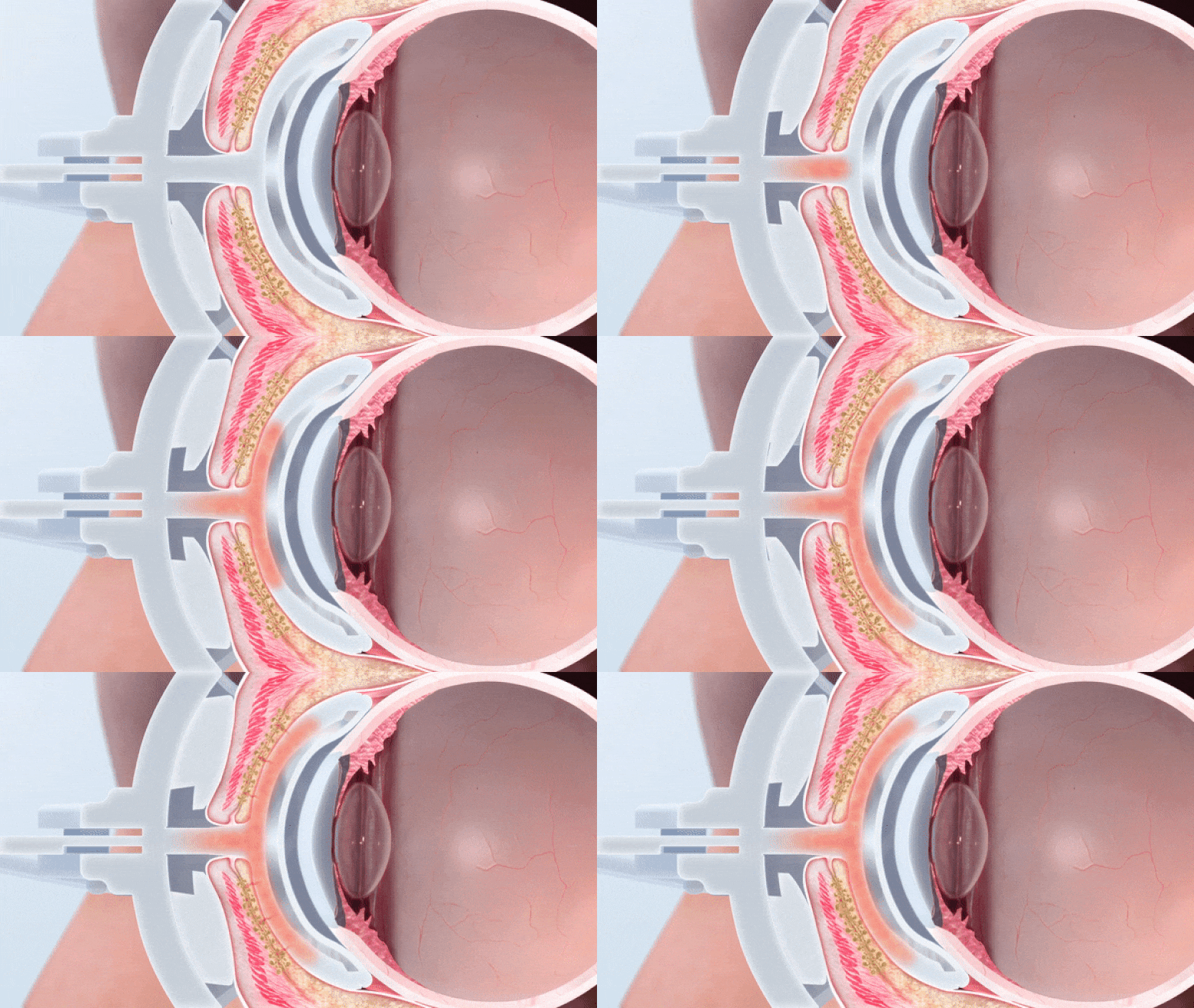
LipiFlow Treatment
A device for treating meibomian gland dysfunction (MGD),
attached directly to the eyelids —
applying safe heat inside and pulsating pressure outside
to effectively clear blocked oil residue.
Customized Medication
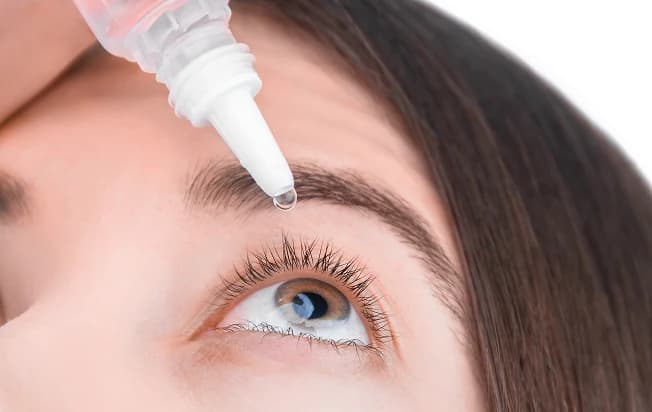
Anti-inflammatory eye drops to calm ocular surface inflammation
and artificial tears matched to the patient's tear layer
to support ocular surface recovery.

Dry Eye SyndromeFrequently Asked Questions
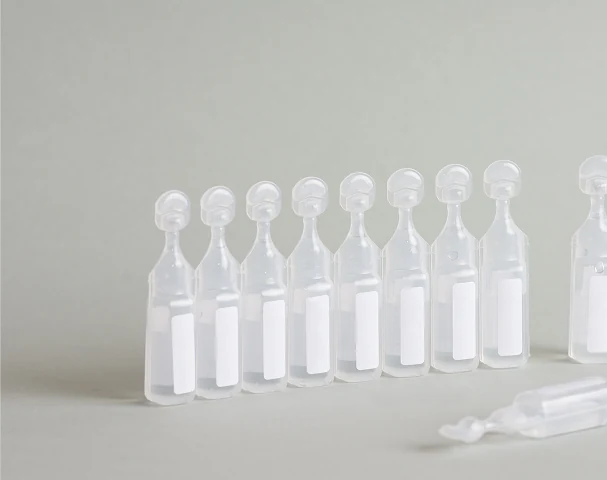
Will artificial tears
improve dry eye syndrome?
Artificial tears can help relieve
the feeling of dryness.
However, if the cause is meibomian gland
dysfunction or inflammation, symptoms may recur with artificial tears alone,
so identifying the cause is important.
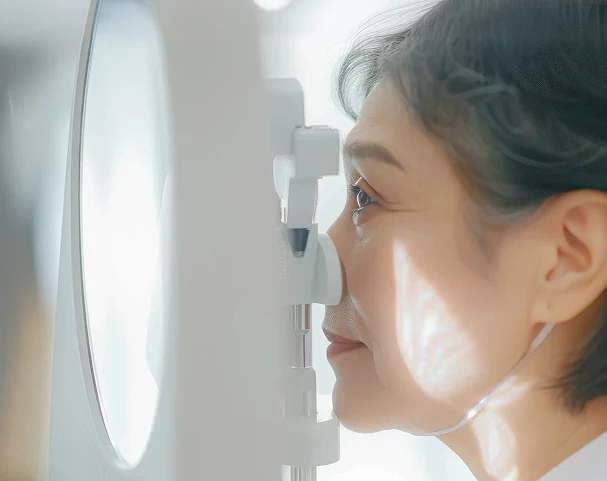
Is IPL treatment
needed for all dry eye cases?
It is not needed for all patients.
IPL may be considered after confirming
meibomian gland dysfunction or eyelid inflammation,
based on the doctor's assessment.

When should I
get tested?
If dryness, foreign body sensation, redness,
blurry vision, or tearing recur, it is a good time for a checkup.
Especially if discomfort returns quickly after
using artificial tears, tear film and meibomian gland
assessment is recommended.
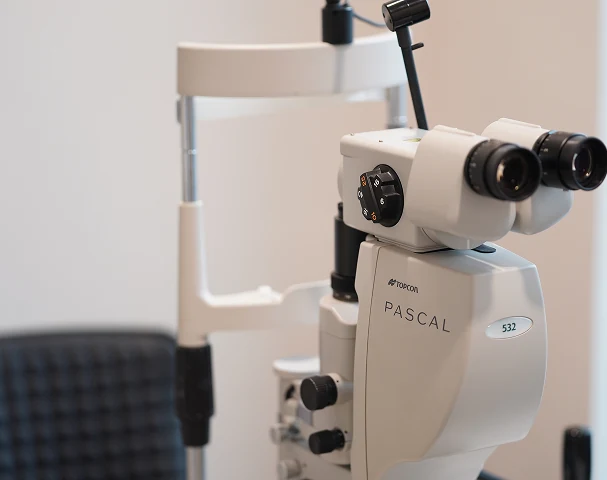
Can I have dry eye
even if my eyes water often?
Yes, it is possible.
When the eye surface is dry and irritated,
reflex tearing may occur, making excessive tearing one of the symptoms
of dry eye syndrome.
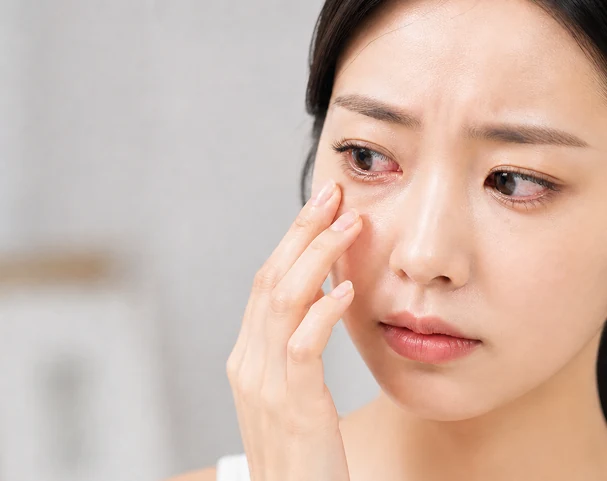
Can dry eye syndrome
be completely cured?
Dry eye syndrome can recur depending on
lifestyle and eye condition. Combining cause-specific treatment with lifestyle management
can help control symptoms and
maintain ocular surface health.