



The One + Seoul
Retina Clinic
Diabetic Retinopathy —get checked before vision loss occurs
Diabetic retinopathy is a common eye complication of diabetes, caused by damage to the retinal blood vessels. It often causes little to no symptoms in its early stages, but as it progresses, it can lead to vision loss and blindness, making regular fundus exams important.



What is diabetic retinopathy?
Diabetic retinopathy is a major eye complication of diabetes, caused by damage to the tiny blood vessels in the retina. As it progresses, it can cause bleeding, vascular leakage, macular edema, or abnormal new blood vessels, potentially leading to vision loss.
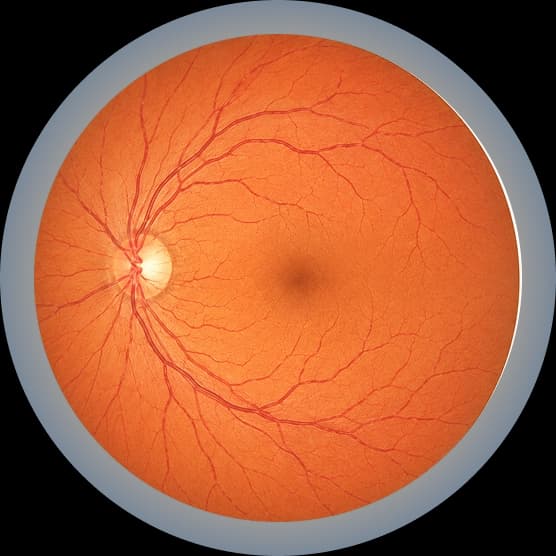
Normal Retina
Healthy blood vessels supply oxygen and nutrients to the retina,
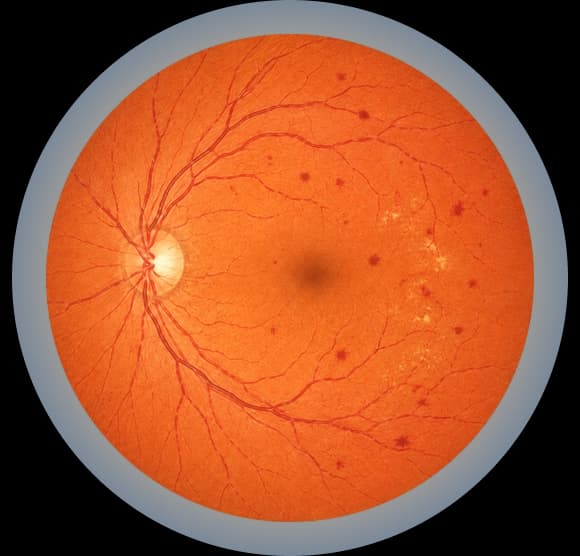
maintaining normal visual function.Non-proliferative Diabetic Retinopathy
The most common stage, occurring in about 80% of diabetic retinopathy patients.
Microaneurysms, retinal hemorrhages, and hard exudates may develop,
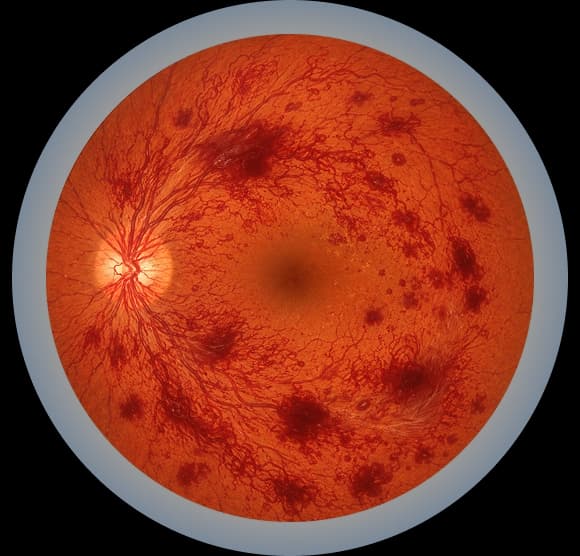
and severe cases can cause vision loss from macular edema.Proliferative Diabetic Retinopathy
An advanced stage where poor blood supply causes abnormal new vessels to grow in the retina.
These fragile vessels bleed easily, potentially causing vitreous hemorrhage, preretinal hemorrhage,
or tractional retinal detachment, and can lead to blindness in severe cases.
Diabetic retinopathy often hasfew early symptoms — regular checkups matter
By the time symptoms are felt, retinal damage may already be underway, making regular eye exams important.


Blurred Vision
Objects look hazy or
less sharp than usual

Floaters
Small threads or dark spots
drifting across your vision

Flashes of Light
Flashes of light appear
when you blink

Night Blindness
Trouble seeing at night
or in dark places
Diabetic retinopathy needs regular diagnosis
Regular fundus exams help detect retinal damage early
Diabetic patients are advised to get an eye exam at least once a year,
and if diagnosed with diabetic retinopathy, regular follow-up is needed depending on how far the condition has progressed.
The One Seoul Eye Clinic uses precise exam equipment such as wide-field fundus photography and optical coherence tomography (OCT) to accurately assess the entire retina and macula,
and establishes a treatment plan tailored to each patient.

Fundus Examination
Examines the entire retina to check for
bleeding, microvascular changes, new blood vessels,
and other signs of diabetic retinopathy.
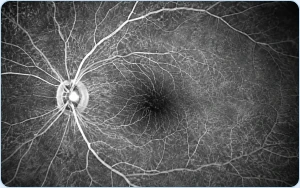
Fluorescein Angiography
Uses a contrast dye to check for vascular leakage
and abnormal new blood vessels,
assessing the extent of the lesion.
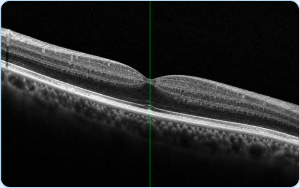
Optical Coherence Tomography (OCT)
Precisely analyzes macular edema
and retinal thickness
to establish a treatment plan.
How is diabetic retinopathytreated?
Treatment is tailored to the stage of the disease
and the condition of the retina
Diabetic retinopathy is managed early on with conservative treatment — controlling blood pressure, blood sugar, and blood lipids — along with regular follow-up. As the condition progresses, intraocular injections, laser treatment, or vitrectomy may be performed depending on the patient's condition to minimize vision loss and complications.
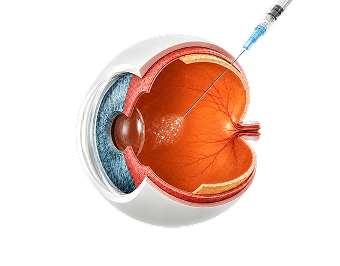
Anti-VEGF Injection Therapy
Suppresses the growth of new blood vessels
and reduces vascular leakage to improve
macular edema and vision loss.
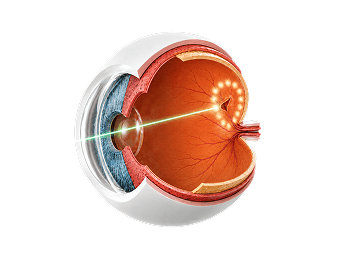
Laser Treatment (Panretinal Photocoagulation)
Applies laser to the peripheral retina
to suppress new blood vessel growth
and reduce the risk of bleeding.
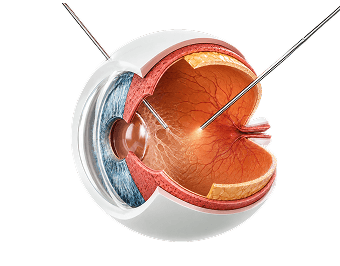
Vitrectomy
A surgical treatment performed when
vitreous hemorrhage or proliferative vessels cause
severe bleeding or vitreous opacity.
Diabetic Retinopathy Treatment Case
Treatment results for a diabetic retinopathy patient with vitreous hemorrhage and reduced vision.
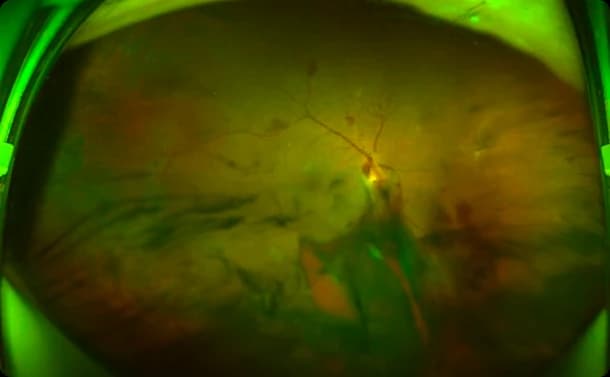
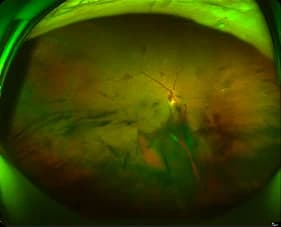
Before treatment
Vitreous hemorrhage and retinal lesions observed
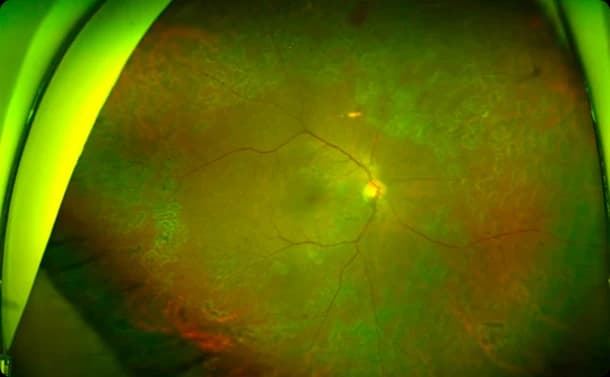
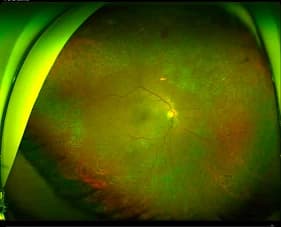
2 months after treatment
Reduced bleeding, retina stabilized
Vision 0.2 → Improved to vision 0.7
※ Treatment results may vary depending on the individual's eye condition and disease progression.
※ Actual patient photos used with consent.
Why The One Seoul Eye Clinic's Retina Center?
Diabetic retinopathy treatment requires the retina center's experience and ongoing care
The One Seoul Eye Clinic's Retina Center provides diagnosis and treatment tailored to each patient, backed by our retina specialists' expertise and research capabilities.





Diabetic RetinopathyFrequently Asked Questions


Does everyone with diabetes
get diabetic retinopathy?
The longer you've had diabetes, the higher the risk, but not every patient develops it. Regular fundus exams are still important to monitor your retinal health.


Can diabetic retinopathy
cause blindness?
If treatment is delayed or the disease progresses, it can lead to severe vision loss or blindness. Early detection and proper treatment are important.


Can diabetic retinopathy
be cured?
Fully restoring a damaged retina to its original state is difficult, but proper treatment and consistent management can slow disease progression and help preserve vision.


Do I need an exam even if
my vision seems fine?
Yes. Diabetic retinopathy often causes little to no early symptoms. Regular checkups are recommended even without noticeable vision changes.


Why is anti-VEGF injection therapy
needed?
It's used when macular edema or vascular leakage occurs, helping to reduce retinal swelling and prevent vision loss.


Why is blood sugar
management important?
Stable management of blood sugar, blood pressure, and cholesterol helps reduce the risk of developing and progressing diabetic retinopathy.