


The One + Seoul
Retina Clinic
Delaying treatment for retinal detachmentcan lead to permanent vision loss
Retinal detachment occurs when the retina separates from its normal position, and delayed treatment can lead to permanent vision loss. It's an ophthalmic emergency where early diagnosis and prompt treatment are critical.



What is retinal detachment?
A condition where the retina separates from its normal position
The retina is a vital tissue inside the eye that detects light and sends visual information to the brain.
If a tear forms in the retina or it separates from the eye wall, the photoreceptor cells may not receive enough nourishment, which can lead to reduced vision.
Delaying treatment for retinal detachment can lead to permanent vision damage, so early diagnosis and treatment are important.
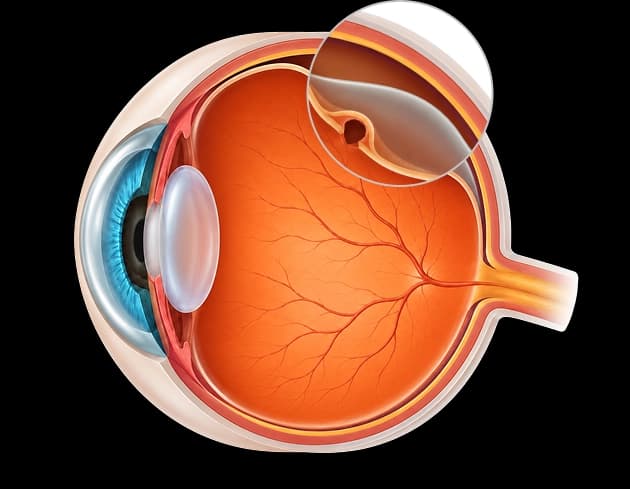
Rhegmatogenous retinal detachment
The most common type, caused by vitreous fluid seeping under the retina through a tear.
It is mainly caused by age-related changes in the vitreous.Tractional retinal detachment
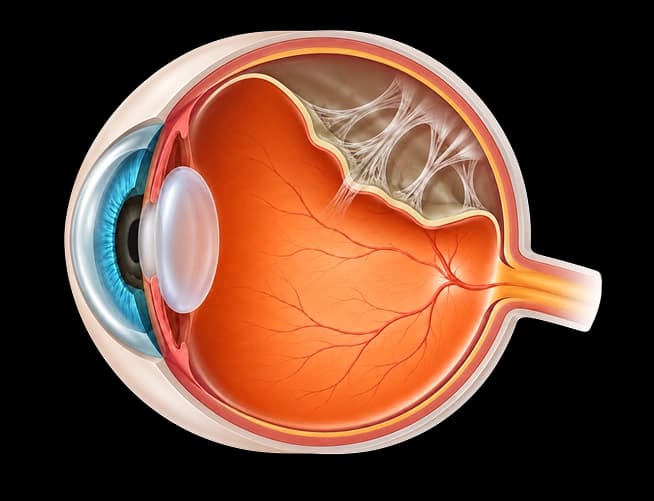
Occurs when a fibrous membrane pulls on the retina.
Mainly seen in diabetic retinopathy and requires prompt treatment.Exudative retinal detachment
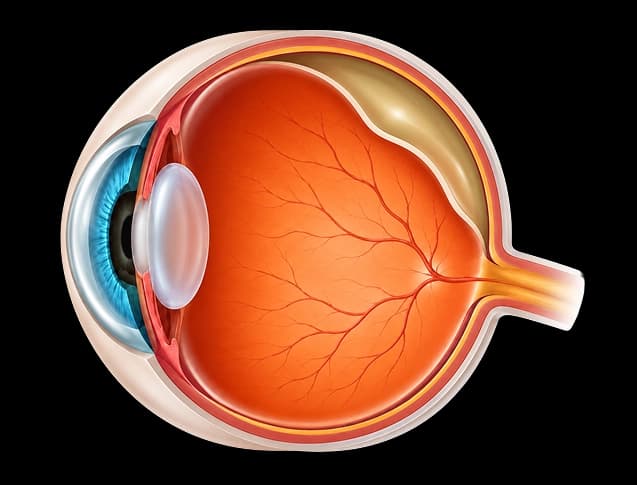
Caused by fluid accumulating under the retina due to inflammation, tumors, or retinal vascular disease.
There is no retinal tear in this type.
Symptoms of retinal detachment —watch for these changes
Sudden floaters and flashes of light may signal retinal detachment


More floaters
A sudden increase in dark spots,
threads, or floating specks

Flashes of light
Repeated flashes of light,
especially in dark settings

Curtain-like shadow
Part of your vision is blocked,
like a curtain coming down

Reduced vision
Blurred vision or
a sudden drop in eyesight
How is retinal detachment diagnosed?
Pupil dilation, fundus exam, and OCT provide a precise view of your retinal condition

History taking & vision test
Checking when symptoms started, how
they've changed, past eye conditions,
and family history, plus a vision test.
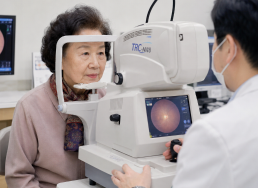
Fundus exam
Using a special lens to check the retina,
optic nerve, and blood vessels, and to
diagnose a retinal tear or detachment.
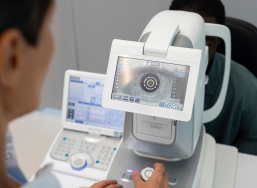
OCT retinal imaging
Precisely imaging the retina's layered
structure to analyze subtle changes
and the extent of detachment.

Diagnosis & treatment plan
Comprehensively analyzing exam results
to establish a treatment plan suited
to the patient's condition.
Treatment for retinal detachmentdepends on how far it has progressed
From a retinal tear to advanced retinal detachment,
treatment is tailored to your condition
Treatment for retinal detachment can vary depending on its progression. The One Seoul Eye Clinic's Retina Center closely reviews the retina's condition and the extent of detachment, guided by retina specialists, and determines the right treatment direction for each patient.
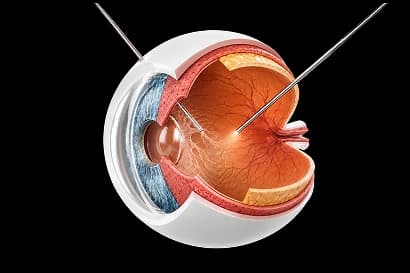
Vitrectomy
Restores the retina from inside the eyeAfter removing the vitreous inside the eye,
the detached retina is restored to its original position
so it can reattach stably.
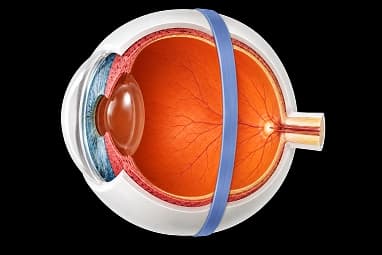
Scleral Buckling
Supports the retina from outside the eyeSupporting the sclera from the inside reduces
traction on the retina, helping it
reattach stably in its original position.
Retinal Detachment Treatment Case
Treatment results for a retinal detachment patient who visited with a shadow over their vision.
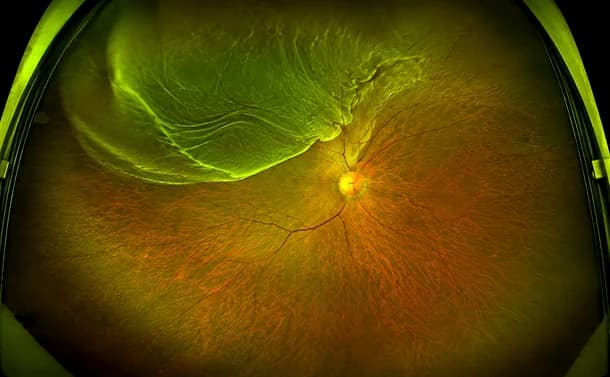
Before treatment
The retina was detached, causing visual field loss and reduced vision.
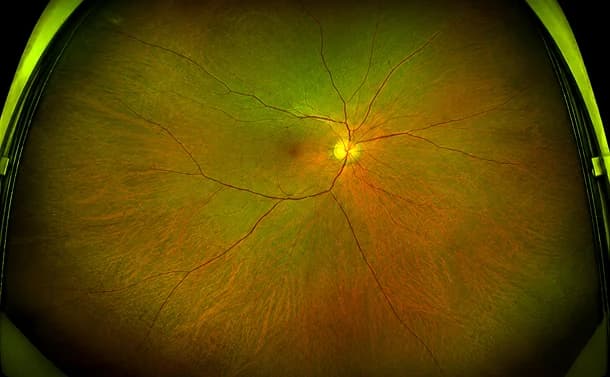
2 months after treatment
The retina reattached and stabilized.
0.1 or lower (vision too poor to measure) → Vision recovered to 1.0 (2 months after treatment)
※ Actual photos used with patient consent.
Why The One Seoul Eye Clinic's Retina Center?
Retinal detachment treatment — experience and expertise make the difference




Retinal DetachmentFrequently Asked Questions


What condition
is retinal detachment?
Retinal detachment occurs when the retina separates from the wall of the eye. When the retina detaches, it can affect photoreceptor function, causing reduced vision or a shadow over your vision.


Does having floaters
always mean retinal detachment?
Not every case of floaters means retinal detachment. However, if dark spots or threads suddenly increase, or are accompanied by flashes of light, it's best to check for a retinal tear or detachment.


How quickly should it be
treated?
Treatment timing matters for retinal detachment. If a shadow over your vision or a sudden drop in eyesight occurs, it's important to have your retina checked as soon as possible.


What are the early symptoms?
Common early symptoms include a sudden increase in floaters, flashes of light, and a shadow over part of your vision. If symptoms appear suddenly, a retinal exam may be needed.


Is surgery
always necessary?
Treatment depends on the retina's condition and how far it has progressed. Laser treatment may be considered at the retinal tear stage, while advanced detachment may require gas injection or vitrectomy.