

The One + Seoul
Retina Clinic
Uveitis —don't ignore recurring redness and eye pain
Uveitis is inflammation of the inner tissue of the eye. If redness, eye pain, light sensitivity, or reduced vision keep recurring, it may not be simple fatigue but a sign of uveitis.
Prolonged inflammation can lead to complications such as cataracts, glaucoma, or macular edema, so early diagnosis and consistent management are important.


What is uveitis?
A condition where inflammation occurs inside the eye
Uveitis is inflammation of internal eye tissues such as the iris, choroid, and retina.
If left untreated, it can lead to reduced vision and other eye conditions, so proper treatment is important.
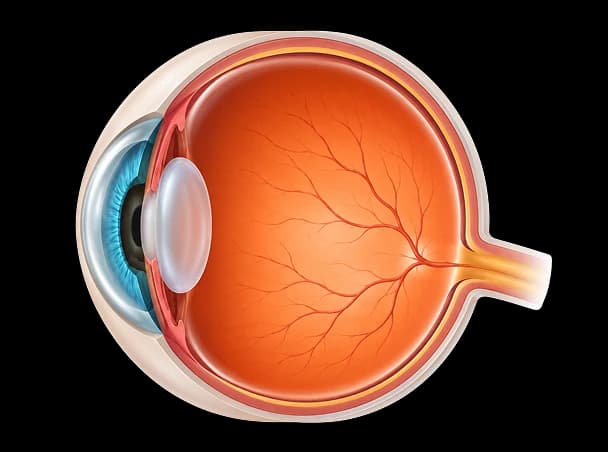
Normal condition
The internal eye tissues stay healthy and
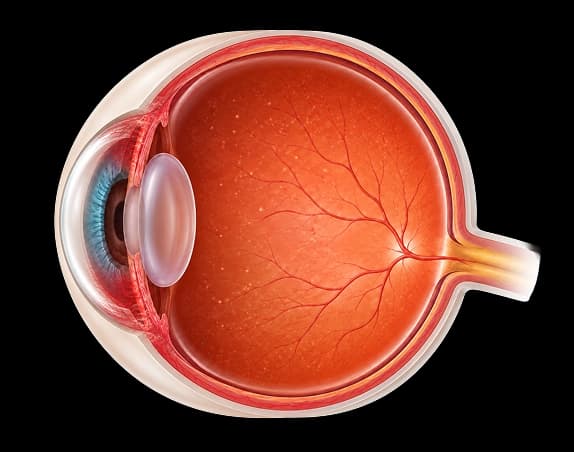
visual function works normally.Uveitis
Inflammation inside the eye can cause symptoms
such as redness, pain, light sensitivity, and reduced vision.Complication risk
Recurring or prolonged inflammation can
lead to complications like cataracts, glaucoma, or macular edema.
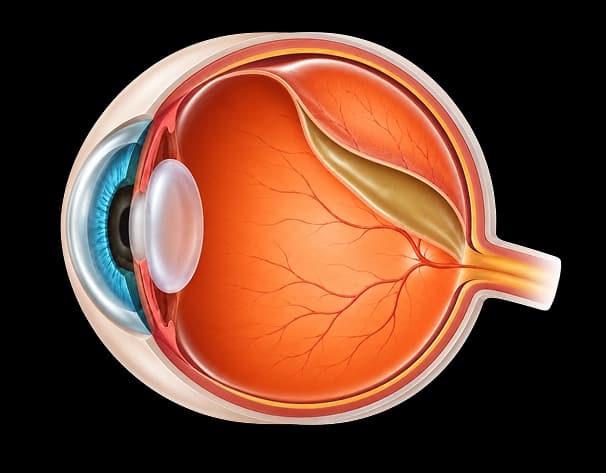
If you have these symptoms,a uveitis exam may be needed
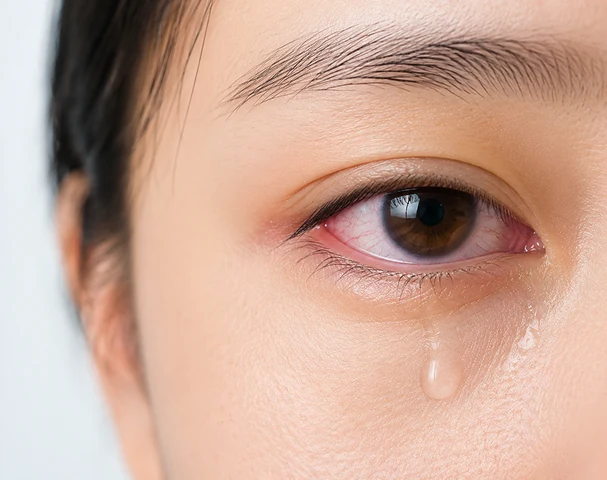
Redness and pain may be signs of uveitis
In particular, if one eye repeatedly turns red, feels very uncomfortable in light, or vision becomes blurry, it's important to check for inflammation inside the eye.


Redness
The eye turns red or
blood vessels become prominent

Eye Pain
A throbbing ache or
persistent discomfort in the eye

Light Sensitivity
Eyes sting in light or
discomfort worsens

Reduced Vision
Objects look blurry or
vision declines
Accurate diagnosis is the start of uveitis treatment
Uveitis can cause various eye complications, so accurate diagnosis and regular checkups are important.
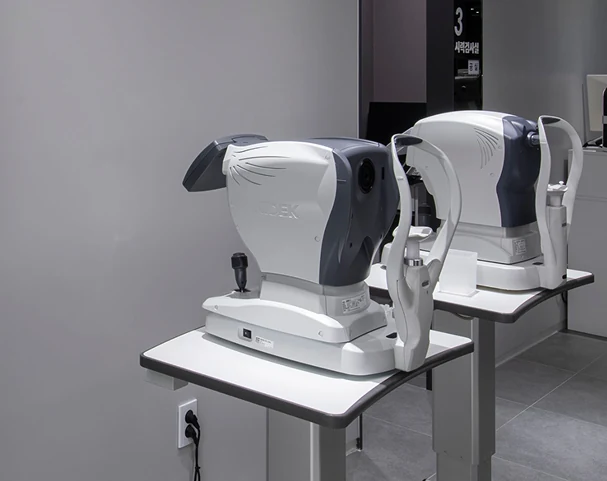
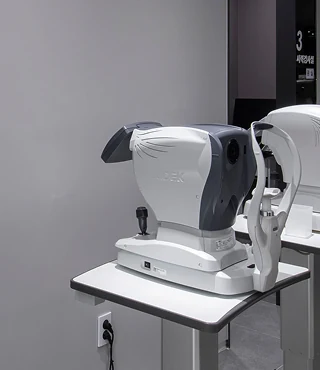
To determine the exact diagnosis, various precise tests such as a slit-lamp exam and dilated eye exam are performed to check the cause and extent of the inflammation,
and a treatment plan is established based on the patient's condition.
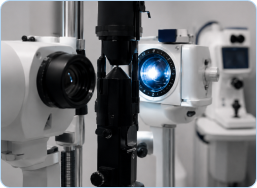
Slit-lamp Exam
Checks for inflammation
in the front of the eye and its extent.
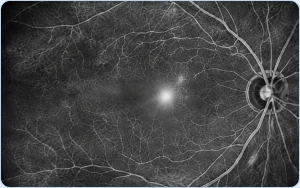
Fluorescein Angiography
Checks for inflammation
or abnormalities in the retinal vessels.
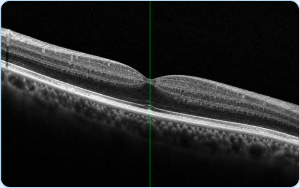
Optical Coherence Tomography (OCT)
Checks the structure of the macula and retina
and any complications.
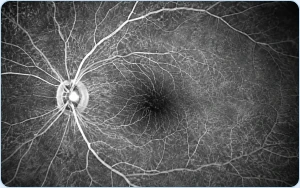
Indocyanine Green Angiography
Checks for abnormalities
in the choroid and deep blood vessels.
Uveitis
requires treatment tailored to its cause
Treatment follows identifying the cause of inflammation and your condition
Treatment for uveitis depends on its underlying cause.
Once a cause is identified, the underlying condition is treated; when the cause is unknown, treatment focuses on controlling the inflammation.

Treating the Underlying Cause
When the cause is knownTreats the underlying condition
and regularly monitors for ophthalmic complications.
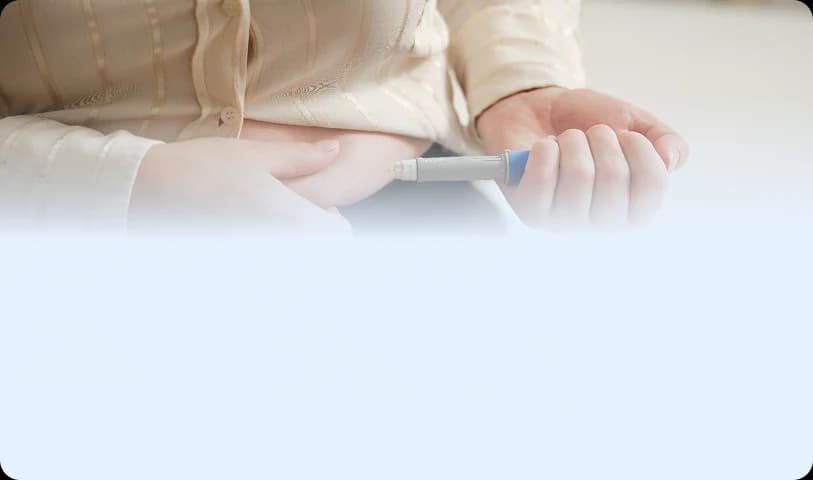
Controlling Inflammation
When the cause is unknownSteroid treatment is considered first, with specialist care and monitoring based on the patient's condition. For refractory uveitis unresponsive to standard treatment, Humira® (adalimumab) may be considered.
avoid overexertion and stress, cut back on alcohol and smoking, and maintain good nutrition.
※ Uveitis can recur, so regular checkups and consistent management are needed even after treatment.
Why The One Seoul Eye Clinic's Retina Center?
Uveitis treatment — accurate diagnosis and ongoing management matter
The One Seoul Eye Clinic's Retina Center provides diagnosis and treatment tailored to each patient, backed by our retina specialists' expertise and research capabilities.




UveitisFrequently Asked Questions


Is uveitis
contagious?
Most cases of uveitis are not contagious. However, if it results from an infectious cause, additional tests and treatment may be needed.
What happens if uveitis
goes untreated?
Ongoing inflammation can lead to reduced vision as well as complications such as cataracts, glaucoma, or macular edema.
Does eye redness
always mean uveitis?
Redness can be a symptom of many different eye conditions. If it comes with pain, light sensitivity, or reduced vision, an accurate exam is recommended.


Can uveitis
come back?
Uveitis can recur even after symptoms improve, so regular checkups and follow-up care are important.


Can uveitis be
fully cured?
The course of treatment varies depending on the cause and type of inflammation, so an accurate diagnosis is essential for the right treatment.
What tests
are used for uveitis?
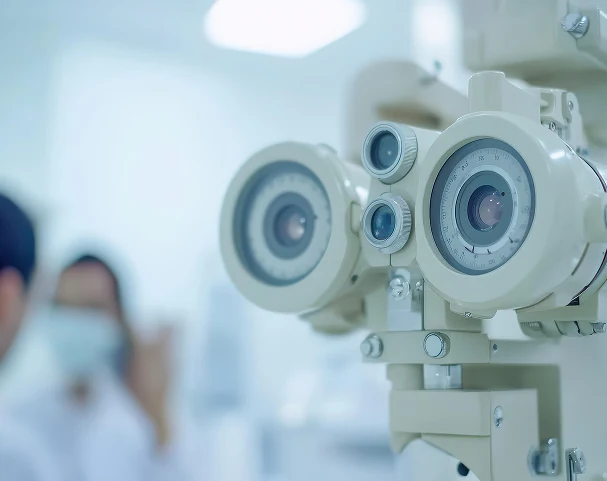
Tests such as a slit-lamp exam, fundus exam, and OCT help determine the location and extent of inflammation and establish a treatment plan.