


The One + Seoul
Cataract Clinic
Restoring Clear Vision,Cataract Clinic
Cataracts can develop naturally with age. However, if you experience recurring blurred vision, glare, or light sensitivity, it may be more than simple aging.
The One Seoul Eye Center establishes a treatment plan tailored to the degree of cataract progression and each patient's lifestyle through precise examinations and specialist diagnosis.

What is a Cataract?
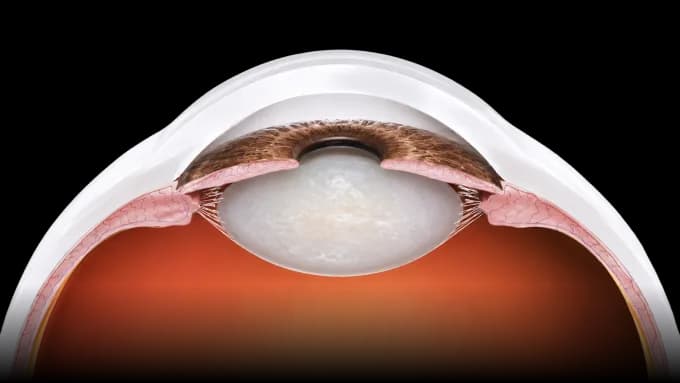
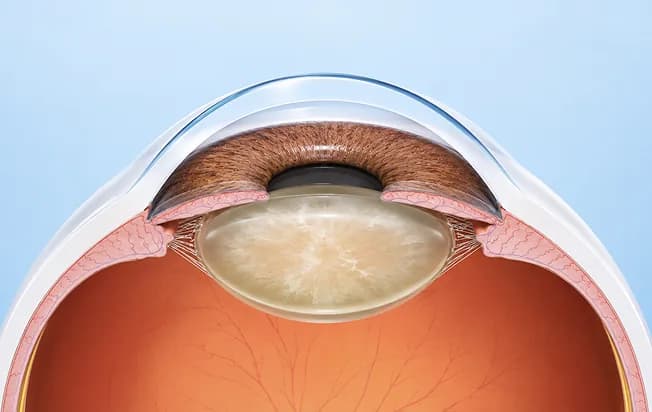
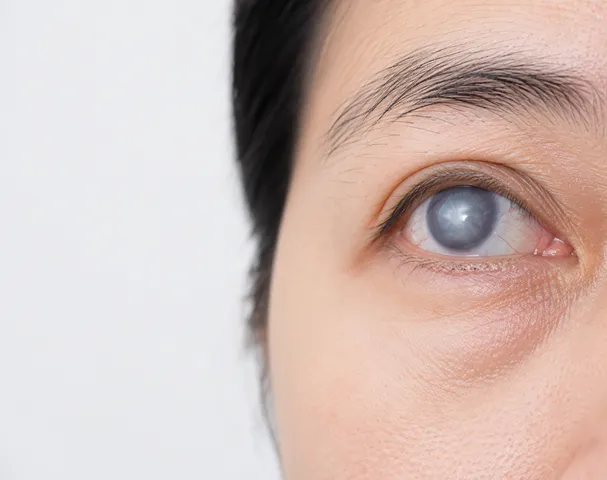
A cataract is a condition where the lens becomes cloudy, causing blurred vision
A cataract is a condition where the lens inside the eye, which functions like a camera lens, becomes cloudy, leading to blurred vision.
In early stages, it may simply feel like your eyes are dim or your vision has declined,
but as it progresses, vision may not improve even with new glasses, and glare may worsen.
Cataracts are closely related to aging, but they can also be caused by diabetes, trauma, UV exposure, medication use, and other factors. Therefore, an accurate diagnosis requires checking not only the degree of lens opacity but also the condition of the retina and optic nerve.
When should you
get checked?
Cataracts progress gradually
and may be hard to notice in early stages
Rather than sudden vision loss,
cataracts often cause vision to gradually become blurry over time.
It is easy to mistake early symptoms for fatigue or presbyopia,
but if discomfort in daily life persists,
it is recommended to get an examination.






Why do cataracts occur?
Cataracts can be caused by
a combination of various factors
The most common cause of cataracts is aging.
As we age, the protein structure of the lens changes and transparency decreases, leading to cloudiness.
However, not all cataracts are caused by aging alone.
The timing and rate of progression can vary
depending on individual health conditions,
living environment, and history of eye diseases or surgeries.
Aging
The most common cause the likelihood of lens
opacity increases with age.
Diabetes
Blood sugar changes can affect lens metabolism
and may contribute to cataract development and progression.
UV Exposure
Long-term UV exposure may increase
the risk of lens damage.
Trauma
Eye injuries or external impacts
may cause traumatic cataracts.
Medications & Systemic Diseases
Use of steroid medications, inflammatory diseases,
etc. may also be related to cataract development.
Family History & Congenital Factors
Rarely, congenital lens opacity or
family history may be a contributing factor.


How is a cataract diagnosed?
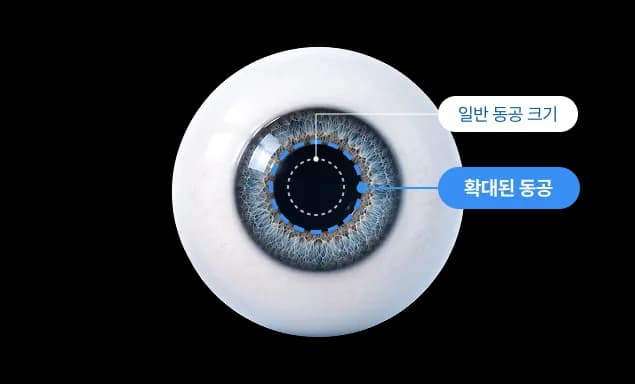
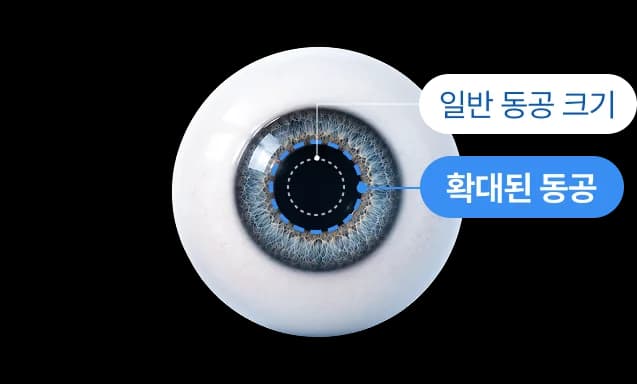
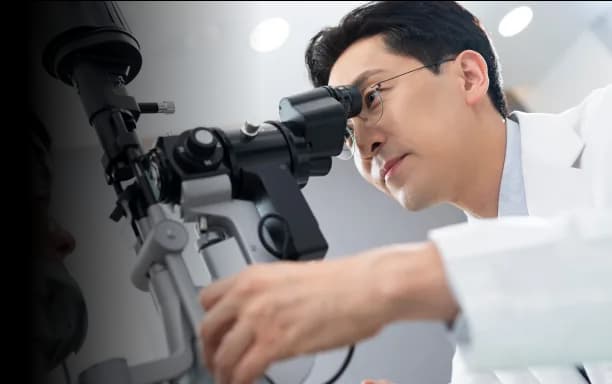
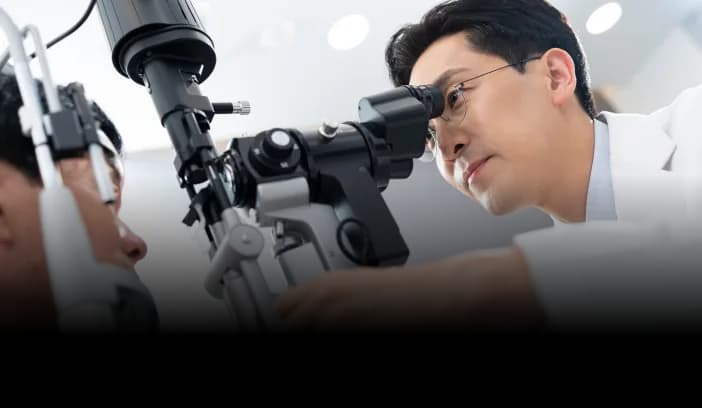
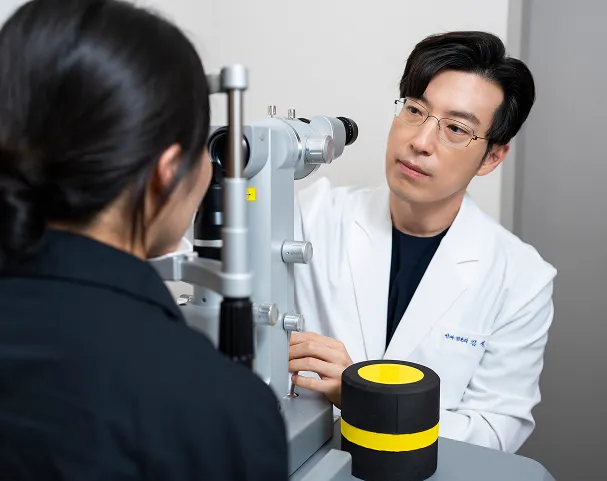
Cataracts are diagnosed by dilating the pupil
and observing the cornea and lens condition
using a slit-lamp examination.
Pupil Dilation
The pupil is dilated before examination to allow a more detailed observation of the lens.
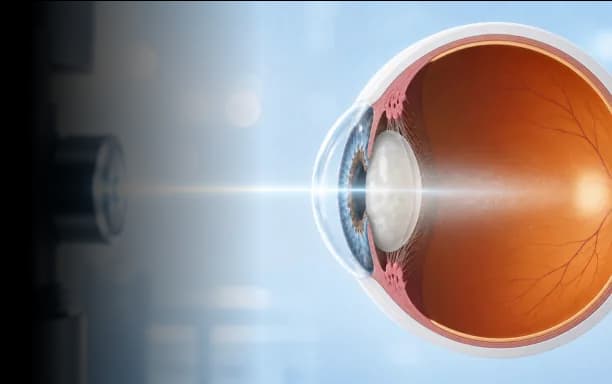
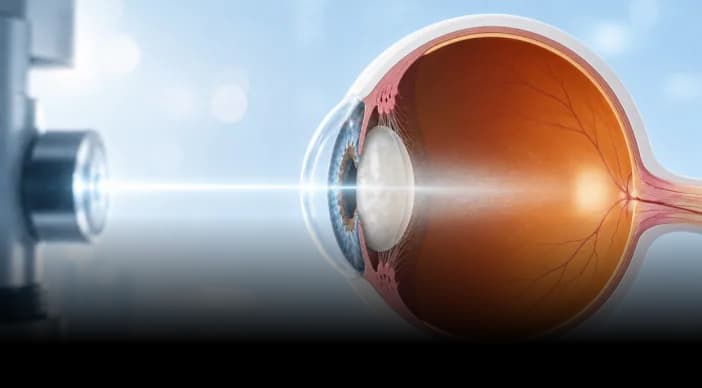
Slit-Lamp Examination
Using a narrow beam of light, the condition of the cornea and lens is examined for cataracts.
Lens Status Check
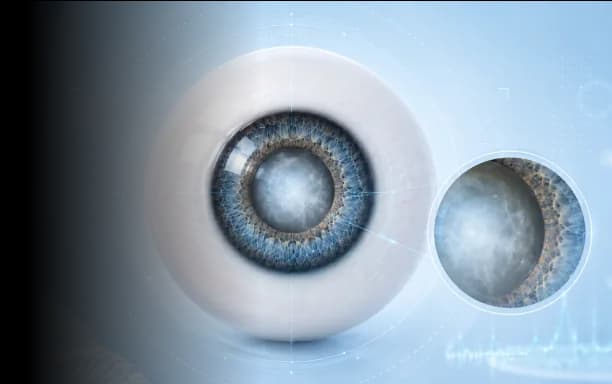
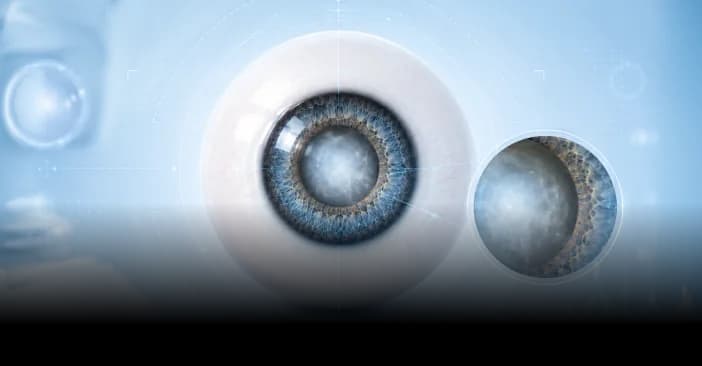
The degree of lens opacity is assessed
to evaluate visual impact.
Diagnosis & Consultation
Based on examination results,
the current eye condition is explained
and treatment direction is recommended.
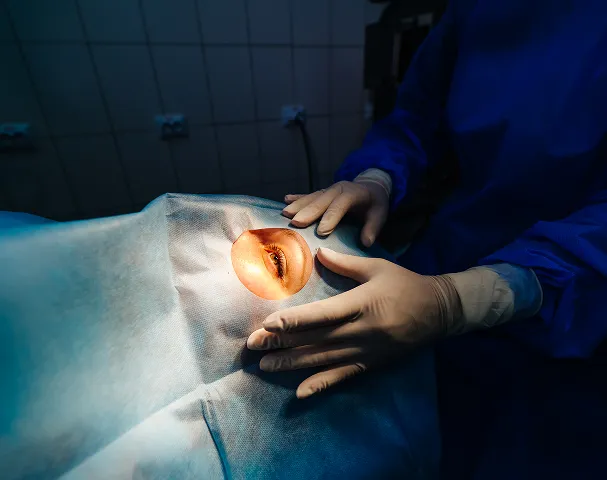
How is cataract surgery performed?
Cataract treatment at The One Seoul Eye Center includes not only surgery to remove the clouded lens,
but also pre-operative examinations, IOL selection, and post-operative care
For early-stage cataracts, if vision loss and daily discomfort are not significant, observation without immediate surgery may be possible.
However, if blurred vision or glare has significantly affected daily life, the timing of surgery should be determined through precise examination.
Precise Examination & Eye Assessment
The overall eye condition including cornea, retina, and optic nerve
is examined along with cataract progression. Surgery necessity and
appropriate timing are determined based on examination results.
Surgery Planning & IOL Selection
A surgery plan is developed considering refractive status, lifestyle,
occupation, and preferred viewing distances. After thoroughly explaining
IOL characteristics, a lens suited to the eye condition is selected.
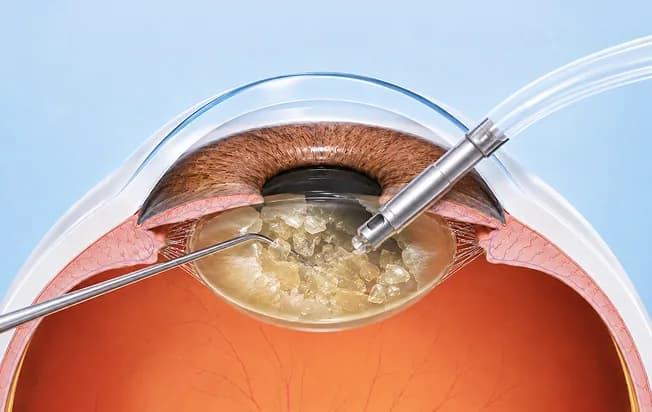
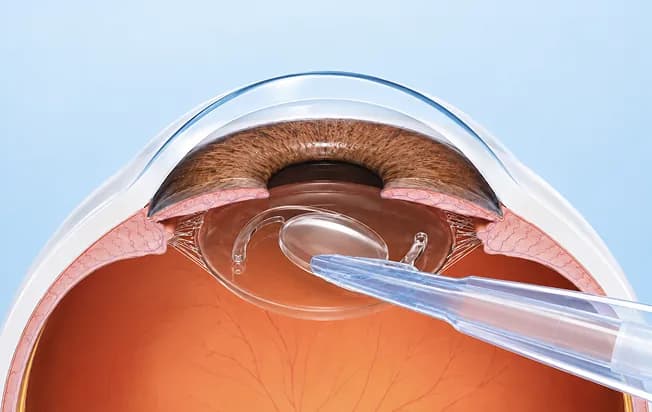
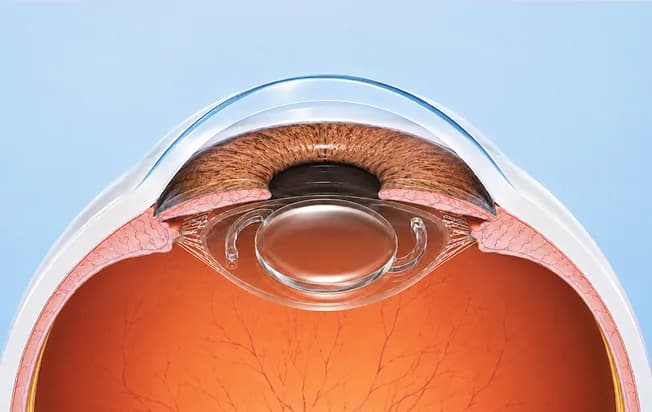
Clouded Lens Removal & Lens Insertion
The clouded lens is removed using ultrasound equipment,
and the pre-selected IOL is inserted into the eye.
Post-Surgery Recovery Care
Post-surgery vision changes, inflammation, intraocular pressure,
and IOL position are monitored. Recovery is observed through
prescribed eye drops and scheduled follow-up visits.
From monofocal to premium, Types of Intraocular Lenses
Customized 1:1 design considering
not just vision correction range
but also individual lifestyle
replaces the clouded natural lens.
Depending on the lens type, the clear viewing distance, degree of glare, glasses dependency, and adaptation
period may vary.
It is important to choose a lens considering
eye condition, occupation, driving habits,
and reading/computer usage.
those who don't mind wearing glasses after surgery
those with active social lives and hobbies
those with significant astigmatism wanting high-resolution vision

CataractFrequently Asked Questions
Do all cataracts
require surgery?
Not all cataracts require immediate surgery.
The timing of surgery is determined after comprehen sively
evaluating the degree of vision loss, daily discomfort,
and cataract progression.
May I still need
glasses after cataract surgery?
Yes, glasses may be needed depending on the type of IOL
and eye condition. Monofocal IOLs in particular may require
glasses at distances that are not in focus.
Can the lens become
cloudy again after surgery?
The removed lens will not develop cataracts again.
However, posterior capsule opacification (secondary cataract)
may occur when the membrane behind the IOL becomes cloudy,
which can be treated separately if needed.

How are cataracts and
presbyopia different?
Presbyopia is the natural decline in focusing ability with age,
while cataracts involve the lens becoming cloudy.
Both can cause blurred vision, but their causes and
treatments are different.
Are multifocal IOLs
suitable for everyone?
They are not suitable for everyone.
Suitability must be determined after evaluating the retina,
optic nerve, cornea condition, sensitivity to glare,
and lifestyle patterns.