

The One + Seoul
Myopia
Growth-Stage Myopia ManagementThe One Seoul Eye Clinic Orthokeratology
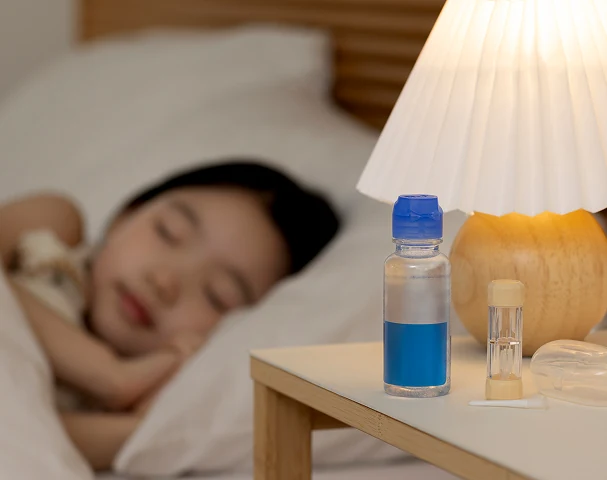
Orthokeratology lenses are worn during sleep
to temporarily reshape the cornea, helping
you live without glasses during the day. They are special contact lenses.
The child's myopia, astigmatism level,
corneal shape, tear condition, and life style
habits are comprehensively evaluated
to determine wearing suitability.

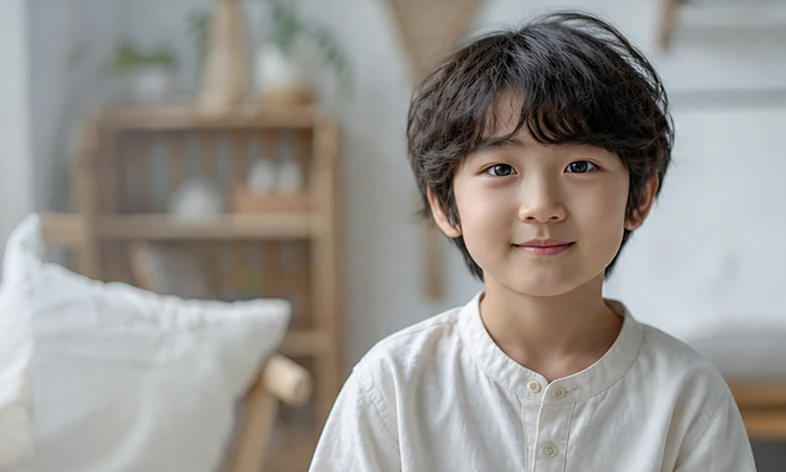

Nighttime Wear Lens
Wear during sleep, live lens-free during the day

Myopia Progression Management
Tracking and monitoring vision changes in growing children

Custom Lens Design
Individual prescription based on corneal shape and power

Regular Check-up System
Continuous monitoring of wear status and corneal changes

What is Orthokeratology?
Orthokeratology is a growth-stage
myopia management lens worn during sleep
Orthokeratology (special corneal reshaping
therapy lens) is a special contact lens worn
during sleep that gently reshapes the central
cornea, temporarily altering the corneal
refractive power.
It helps you function with normal vision
during the day without glasses or regular lenses.
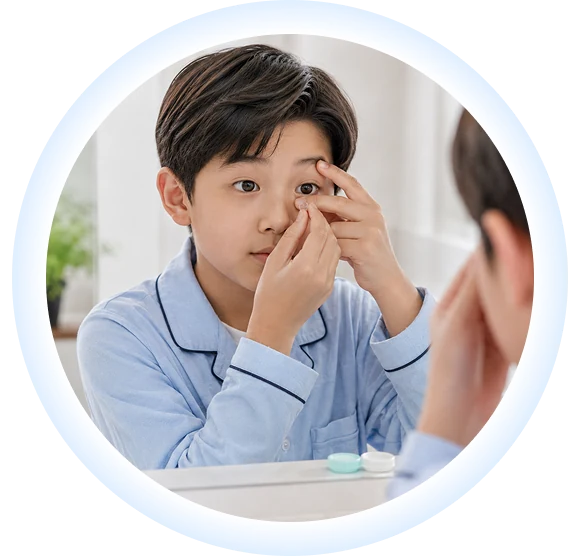
Lens Wear Before Sleep
Put on customized orthokeratology
lenses before going to sleep.
Central Cornea Reshaping
During sleep, the lens gently
reshapes the central cornea to aid
vision correction.
Morning Lens Removal
After removing the lens upon waking,
you can expect clearer vision during the day.
Regular Check-up Management
Corneal condition, lens position,
and vision changes are periodically monitored.


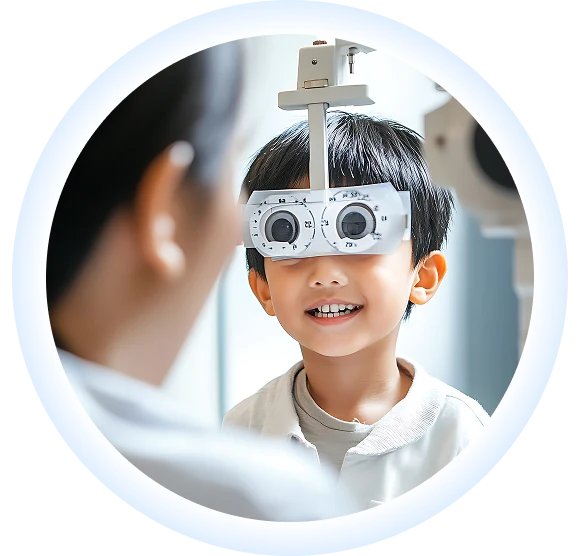
Myopia Management
for Children,
Why is it Important?
During growth, eye length changes along with
body growth. As the eyeball elongates,
the likelihood of myopia progression increases.
Especially when myopia progresses rapidly from elementary school age,
simply changing glasses
prescriptions may not be sufficient.
It is important to monitor the rate of vision
change and establish
a management plan suited
to the child's environment and eye condition.
Prevention of Rapid Vision Decline
During childhood and adolescence,
the axial length of the eye elongates
rapidly along with physical growth,
accelerating myopia. Missing this window easily leads to high myopia.
Prevention of High-Risk Adult Eye Diseases
If myopia progresses to high levels,
the risk of blinding conditions such as
retinal detachment, glaucoma, and macular
degeneration significantly increases
compared to normal eyes in adulthood.
Proven Myopia Suppression Effect
Orthokeratology reduces peripheral
retinal hyperopic defocus, suppressing
abnormal eyeball elongation and
reducing myopia progression by approximately 40-50% compared to glasses.
Orthokeratology Candidates,
Eye Condition and Lifestyle
Should Be Considered Together
Orthokeratology is not decided by age
or prescription alone.
Myopia progression rate, astigmatism,
corneal shape, tear condition,
hygiene management capability, and
parental care environment must all be evaluated.





Safe Without Surgery,
Advantages of The One Seoul Orthokeratology
Orthokeratology lenses are worn
at night and removed in the morning,
helping you live without
glasses during the day.
They offer high convenience
for active children
and are effective for managing
myopia during growth.

Reduced Glasses Burden
School and outdoor activities
possible without glasses during the day.

Suitable for Active Children
Can reduce the inconvenience of
glasses during sports and activities.

Non-Surgical Vision Correction
Helps ensure stable vision
during daily life and study time.
Myopia Progression Management
Monitor and manage the rate of
vision change in growing children.
The One Seoul Eye Clinic Orthokeratology Process
From precision testing
to fitting training,
designing the right
orthokeratology
lens for your child
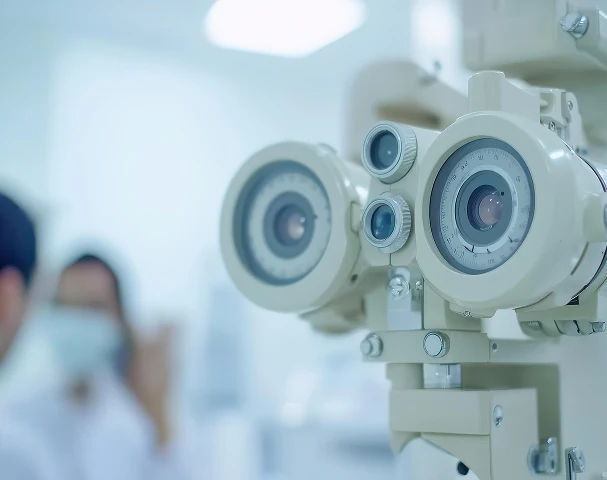
condition differ, careful examination of corneal
curvature and topography,
myopia and astigmatism
levels, tear condition, and lens movement is
necessary before custom design.
Wearing lenses
that don't fit can cause discomfort, redness,
and visual problems, making the initial
examination and trial fitting process crucial.
The One Seoul Eye Clinic carefully examines
eye conditions for comfortable wear and helps
ensure stable orthokeratology lens fitting.
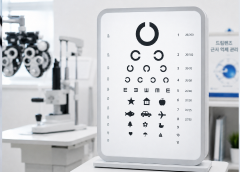
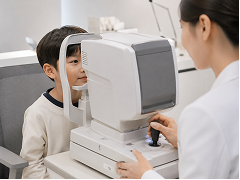
Precision Vision Test
Checks myopia and astigmatism
levels and binocular vision status.
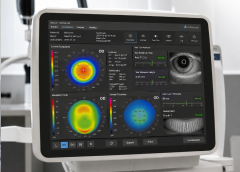
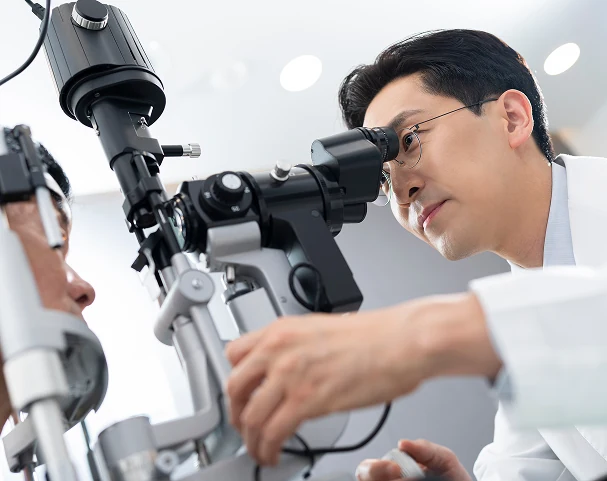
Corneal Shape Analysis
Measures corneal curvature and
topography to assess wear suitability.

Trial Lens Fitting
Fits lenses matching
the child's eyes
to check position,
movement, and comfort.

Custom Lens Prescription
Designs individual lenses
based on examination results.
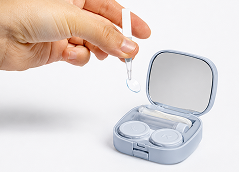
Fitting Training & Care Guide
Guides lens insertion, cleaning,
storage, and precautions.
Regular Follow-up Monitoring
Periodically checks vision changes, corneal condition, and lens suitability.

OrthokeratologyFrequently Asked Questions

At what age can children
start wearing orthokeratology lenses?
More important than age is whether
lens wear and care is feasible.
Generally,
when parental supervision is available
and the child can cooperate with lens wear, suitability is determined after examination.
Do they need to be
worn daily?
Consistent wear is generally necessary.
However, wear frequency may vary depending on
the child's myopia level, corneal response,
and vision retention time, so it is best
to follow medical guidance.
Is care difficult for
orthokeratology lenses?
Initial parental care is important.
With proper lens cleaning, storage,
wear time, and regular check-ups,
stable use is achievable.
Will wearing orthokeratology
lenses completely eliminate myopia?
Orthokeratology is not a permanent
cure for myopia.
It works by wearing lenses during sleep to help improve daytime vision
What should I do if there is
discomfort during wear?
If redness, pain, discharge, or severe
irritation occurs, stop wearing the lenses
and seek examination.
Adjustment may be needed after checking lens
contamination, position, and corneal condition.
Can I really go without
glasses during the day with
orthokeratology lenses?
Individual results vary, but with
consistent wear of suitable lenses,
it can
help you live without glasses during the day.
However, vision retention duration may vary
depending on myopia level and wear condition.