

The One + Seoul
Examination
Comprehensive Eye Exam in Gangnam,Regular eye checkups are
important even without symptoms
Eye diseases can progress without noticeable
pain or vision loss in the early stages.
The One Seoul Eye Clinic's
comprehensive eye exam checks
vision, intraocular pressure,
optic nerve, retina, macula,
lens, and corneal health systematically.
It is more important to check for eye diseases
before symptoms appear
rather than after
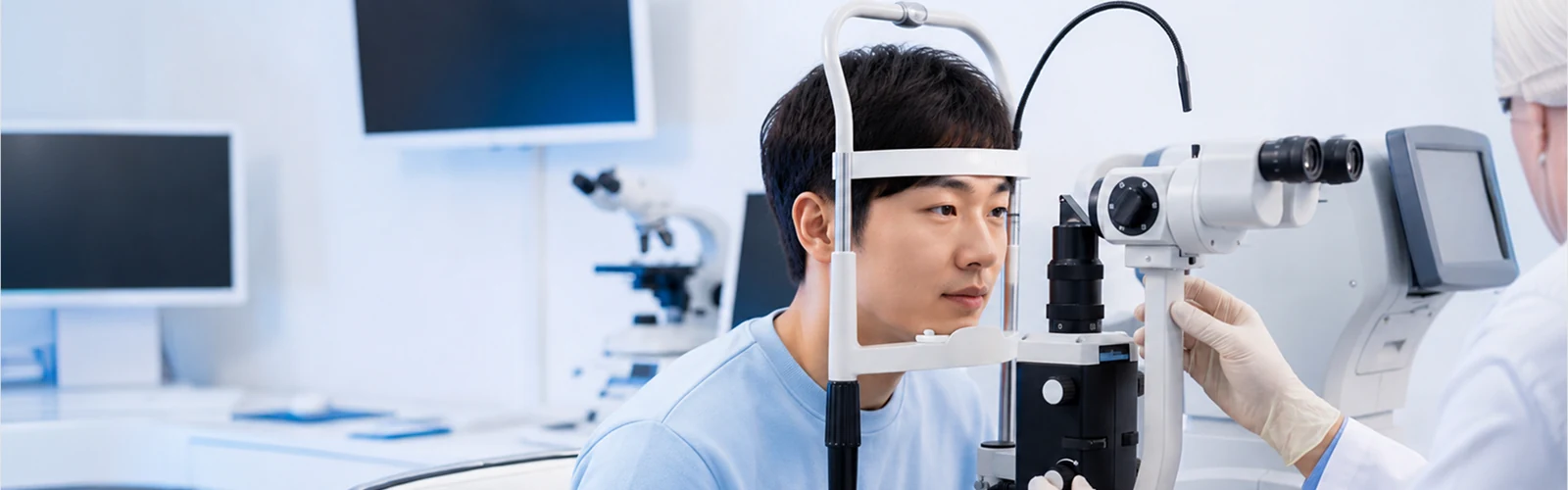
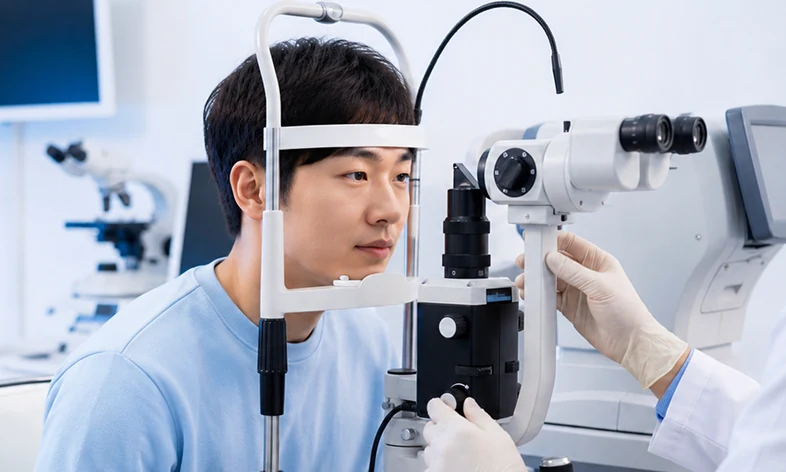
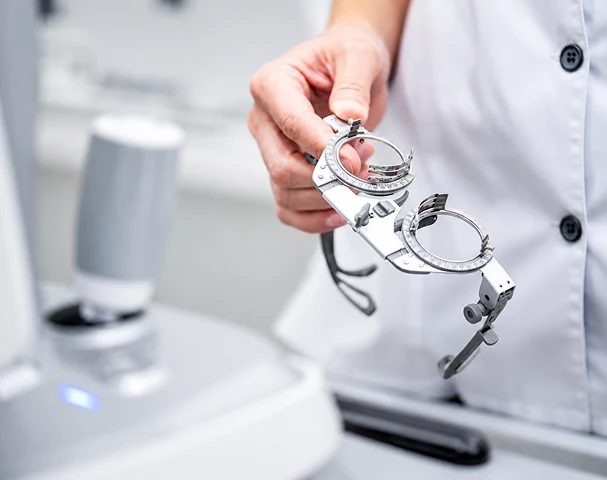
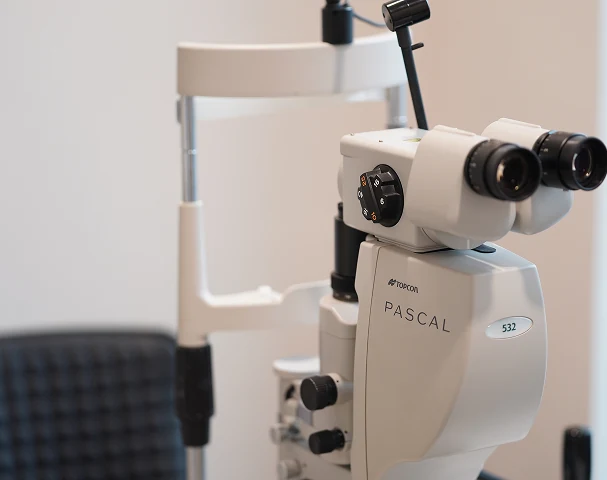
A comprehensive eye exam goes beyond simple vision testing
to assess intraocular pressure, optic nerve, retina, macula, lens, cornea,
and tear film status.
Even without significant discomfort,
regular checkups can help ensure
you do not miss
the right time for treatment.




Recommended Eye Exams by Age Group
Eye diseases to watch for differ by age group.
Regular eye exams tailored to your age
can help detect serious eye conditions early
and manage them at the right time.

Ages 10–30
Eye conditions to watch for
Myopia, astigmatism, amblyopia, stye, conjunctivitis, hereditary glaucoma/cataract, dry eye, contact lens complications

Ages 40–60
Eye conditions to watch for
Presbyopia, dry eye syndrome, cataract, glaucoma,
diabetic retinopathy, dry macular degeneration, etc.

Ages 60+
Eye conditions to watch for
Presbyopia, cataract, glaucoma, diabetic retinopathy, macular degeneration, and other age-related eye diseases
Do you have these symptoms?
Should you get
an eye exam?
Eye exams are
recommended for all ages,
but if you experience
any of the symptoms below,
we recommend getting an exam.
or are frequently red.
drifting in vision.
The One Seoul comprehensive eye exam
focuses on examining
both structure and function of the eye
A comprehensive eye exam is
not just a vision test.
It examines various structures
from the front of the eye
to the inner retina to identify
causes of vision loss
and potential eye diseases.

How is the comprehensive eye exam conducted?
The exam, including tests,
consultation, and counseling,
takes approximately 1–3 hours.
After dilation (pupil enlargement),
glare and near blur
may make driving difficult,
so we recommend coming
with a companion or using public transit.
Total exam time
Approx. 1–3 hours
After dilation
Public transit recommended
Preparation
Pre-exam checklist
Comprehensive Eye ExamFrequently Asked Questions
What is a
comprehensive eye exam?
A comprehensive eye exam checks vision, intraocular pressure, optic nerve,
retina, macula, lens, cornea, and
tear film status.
It provides a broader assessment of overall eye health than a simple vision test.

At what age
should I start getting eye exams?
It depends on age and eye condition.
For ages 20–30, vision changes
and dry eye,
and from age 40+, glaucoma, cataract, macular degeneration, etc.
may need to be checked.
Can I receive
treatment right after
the exam?
If needed based on the results,
you can be referred to specialist care.
Depending on the findings —
glaucoma, retina, cataract, dry eye —
treatment options will be discussed
with the medical team.
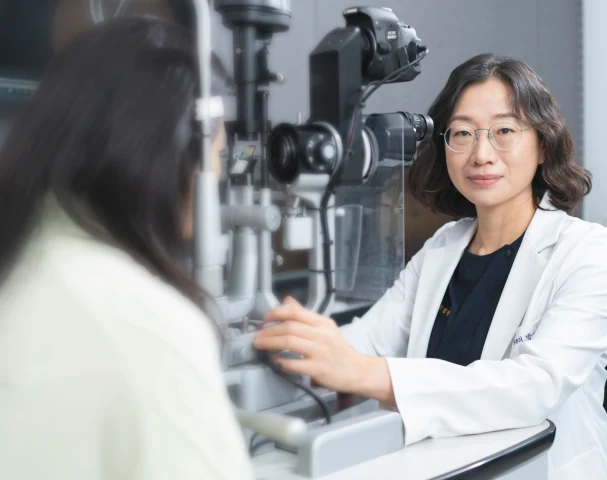
Do I need an
eye exam
even without discomfort?
Yes, it may be needed.
Some eye diseases like glaucoma,
macular degeneration, and diabetic retinopathy may not show clear early symptoms,
so regular checkups are important.
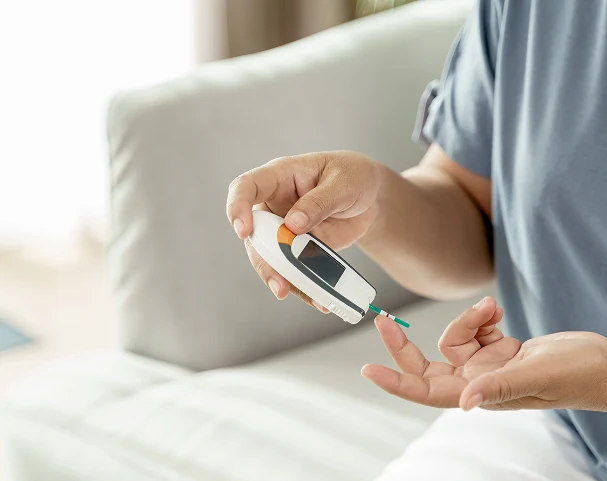
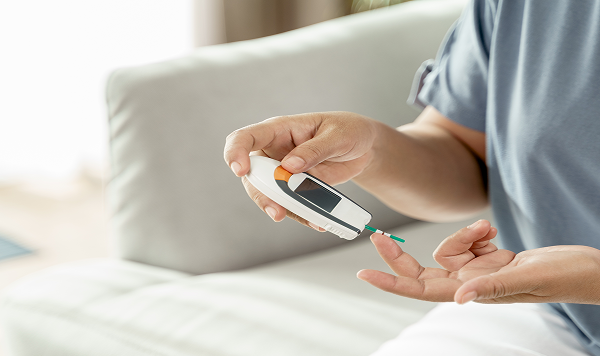
Do I need more
eye exams if I have diabetes?
Yes, if you have diabetes,
retinal vascular changes can occur,
making regular retinal exams important.
Diabetic retinopathy may have
few early symptoms,
so periodic
eye checkups are essential.